College Basketball Alleged Point-Shaving Plot Nets DOJ Charges
(Photo by Gregory Shamus/Getty Images; Photo by Michael Reaves/Getty Images; Photo by Justin Casterline/Getty Images; Illustration by Grace Hughes)Michael McCannThu, January 15, 2026 at 6:34 PM UTC·5 min read
The Justice Department on Thursday charged 20 men, 15 of whom played NCAA Division I college basketball between 2023 and 2025, with alleged ties to a point-shaving scheme in college hoops and the Chinese Basketball Association. The charges are felonies—bribery in sporting contests, conspiracy to commit wire fraud and wire fraud—that collectively carry potential sentences of decades in prison.
Sportico has viewed the 70-page indictment, which was filed in the U.S. District Court for the Eastern District of Pennsylvania.
More from Sportico.com
Washington QB's Flip-Flop Previews New College Sports Legal Issue
NCAA Defends House Settlement From Title IX, Opt-Out Appeal
3 Big Sports Law Stories to Watch in 2026
Prosecutors allege the defendants conspired to influence NCAA and CBA games beginning in 2022. The so-called “fixers” recruited and bribed players to engage in point-shaving, whereby bribed players would “underperform” and thus ensure their team “failed to cover the spread” in games. Meanwhile, others in the conspiracy would use sportsbooks to arrange for large wagers to be placed on games, knowing the bets would succeed due to the scheme.
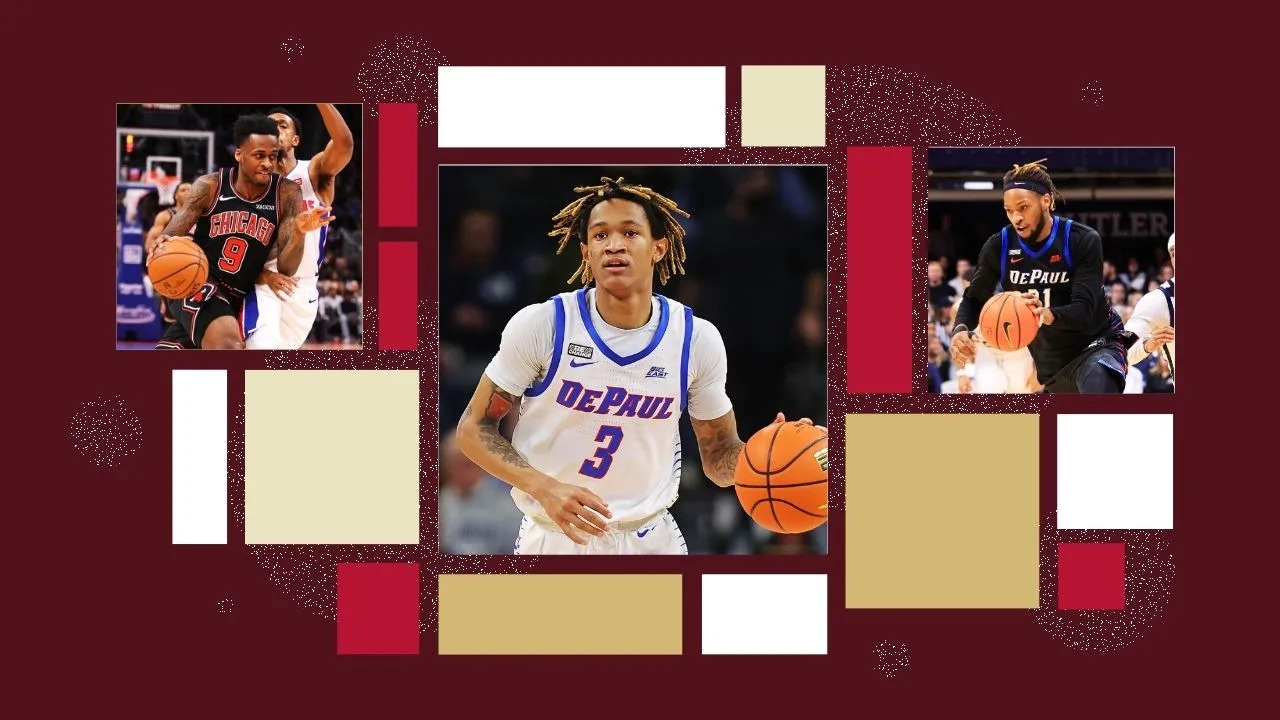
To illustrate, prosecutors say that during the 2022–23 CBA season, two alleged fixers—Marves Fairley and Shane Hennen—recruited Antonio Blakeney, who at the time played for the Jiangsu Dragons and had previously played for the Chicago Bulls and LSU Tigers. Blakeney is described as accepting bribes from Fairley and Hennen and recruiting other players from the Dragons to join a scheme that undermined the integrity of games and corrupted wagers.
More recently, in 2024, DePaul players Jalen Terry, Da’Sean Nelson and Micawber “Mac” Etienne (the last of whom was charged separately in November) allegedly conspired to ensure the team would underperform in the first half of a game against St. John’s. The indictment refers to FaceTime communications and text messages that contemplated exchanges for bribe payments.
Etienne allegedly texted defendant Jalen Smith—who the feds say was “active in the training and development of local basketball players for professional scouting combines”—that the players were “trynna make yah the big money while we take a little cut … I just talked to them and we gon see what the spread is.” Another text referred to Smith delivering the “bread,” meaning bribe payment. The fixers allegedly placed wagers of about $52,395 related to these bets and parlays.
The defendants will have the chance to defend themselves, though defeating a federal charge is a daunting task. In 2022, Pew Research found that only 290 of 71,954 defendants (0.4%) in federal criminal cases went to trial and were acquitted while 89.5% of defendants pleaded guilty. Often defendants cut deals with prosecutors for lighter punishments, but in return they usually need to share evidence and testify against others, sometimes friends also implicated in the conspiracy.
The charges come only months after the DOJ charged Miami Heat guard Terry Rozier, Portland Trail Blazers head coach and Hall of Fame player Chauncey Billups, and former NBA player and assistant coach Damon Jones for alleged roles in undermining the integrity of games. Separately, Cleveland Guardians pitchers Emmanuel Clase and Luis Ortiz were charged by the DOJ for allegedly rigging bets through fixing pitched in MLB games.
College sports betting scandals are not new. Last year, the NCAA found that more than 20 former Division I basketball players bet against their own teams, changed the way they played or funneled inside information to further wagers. Prosecutors in New Jersey also charged 14 people, including former college athletes, with felony crimes related to a Mafia-connected, multimillion-dollar sports betting scheme.
Further back—and long before the U.S. Supreme Court allowed states to legalize sports betting in Murphy v. NCAA (2018)—the 1950 NCAA champion City College of New York basketball team was exposed in a criminal prosecution for partaking in a game-fixing and point-shaving scandal. Nearly 30 years later, Boston College men’s basketball players were caught in a criminal scheme involving point-shaving, and in the 2000s, Arizona State men’s basketball players were involved in a point-shaving plot that became a criminal matter.
Sports betting, especially prop bets, has been an area of concern for NCAA president Charlie Baker. Prop bets are vulnerable to manipulation since an athlete, coach or referee can throw a play—such as by not grabbing a rebound or throwing a pitch into the dirt—in ways that could happen naturally on any play and without impacting whether a team ultimately wins or loses a game.
Betting by college students is highly popular. In 2023, the NCAA released a study finding that 67% of college students living on campus had engaged in sports betting, 41% had bet on their school’s teams, and 35% had used a student bookmaker. The NCAA forbids college athletes from betting and recently tabled a proposal to allow them to bet on pro sports.
The line between college sports and pro sports has grayed in recent years with NIL and revenue-sharing deals, which in theory might disincentivize athletes who have a lot to lose from taking a chance by joining a betting conspiracy. However, pro athletes earning millions of dollars a year have been accused of joining these conspiracies. Also, the reality is that those income streams are for a minority of college athletes who typically play football or basketball in power conferences. Most college athletes continue to be students who play a sport while they aim to graduate and either get a job or pursue graduate school.
Best of Sportico.com
College Athletes as Employees: Answering 25 Key Questions
Sign up for Sportico's Newsletter. For the latest news, follow us on Facebook, Twitter, and Instagram.