Who controls Venezuela’s oil now? What Maduro’s arrest means for energy markets
The recent U.S. military operation targeting Venezuelan President Nicolás Maduro has thrust one of the world's most politically complex oil industries back into the spotlight. The dramatic event is forcing global energy markets and investors to reassess who controls the country's vast crude resources and whether its dilapidated production can be revived after decades of decline.
For now, operational control remains with the state-owned entity, Petróleos de Venezuela (PDVSA). "PDVSA controls the majority of the oil production and reserves," confirmed Andy Lipow of Lipow Oil Associates. International players like Chevron, Russia's Rosneft, and China's CNPC operate through joint ventures, but ultimate authority resides with the Venezuelan state. Chevron's shares rallied over 6% in premarket trading on the news, reflecting investor speculation about future opportunities.
Immediate Market Impact and Supply Chain Risks
The immediate consequence is significant uncertainty for the commercial chain that moves Venezuelan oil to global markets. A central question is who will authorize exports and receive payment. "We might see exports completely halt as the buyers don't know to whom to send the money," Lipow warned. This could add a short-term geopolitical risk premium of several dollars per barrel to oil prices.
However, analysts note the broader market is currently well-supplied, muting the immediate price shock. "The oil market currently is trending towards oversupply," said Bob McNally of Rapidan Energy Group, describing the initial price impact as minimal. Chevron's existing license is expected to allow it to continue exporting approximately 150,000 barrels per day, providing some market stability.
Long-Term Challenges: A Daunting Road to Recovery
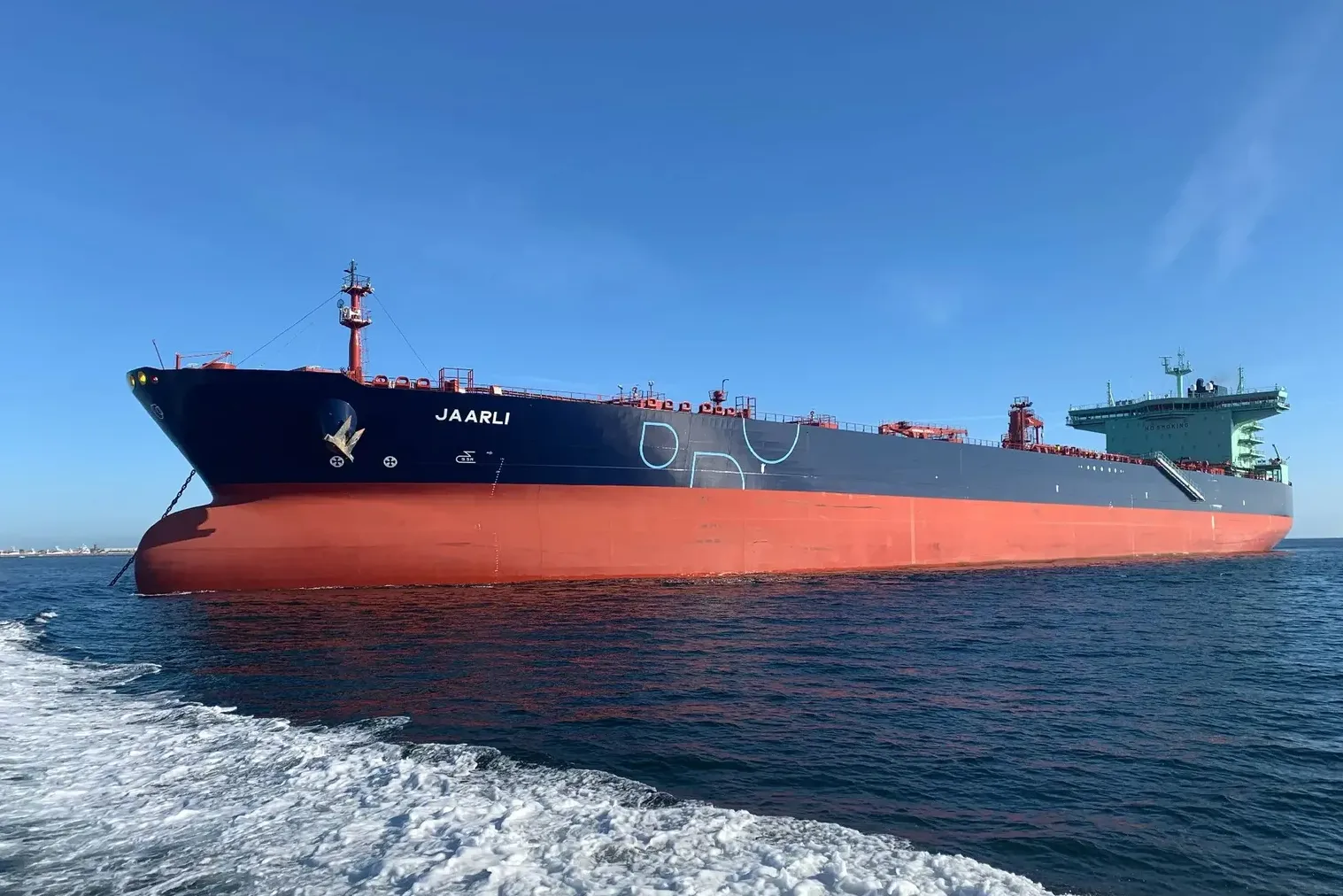
The longer-term significance of Venezuela lies in its unique heavy, sour crude, which is highly valued by complex refineries, particularly on the U.S. Gulf Coast. The prospect of a more pro-investment government has sparked discussion about eventually rehabilitating the industry.
Yet, the barriers are immense. Venezuela's oil output has collapsed from a peak of 3.5 million barrels per day in 1997 to an estimated 950,000 today, after decades of underinvestment, mismanagement, and sanctions. "The Venezuelan oil industry is in such a state of disrepair... it is unlikely to see any material increase in oil production for years," Lipow stated.
Analysts like Helima Croft of RBC Capital Markets emphasize that recovery would require annual investments of at least $10 billion and a stable political and security environment—conditions far from guaranteed. The path forward remains highly uncertain, hinging entirely on the political outcome and the ability to attract massive foreign capital and expertise to a broken system.
.webp)