The U.K. Aims for a Nuclear Revival to Secure Energy Independence and Meet AI Demand
Once the undisputed global leader in commercial nuclear energy, the United Kingdom now generates a mere 14% of its power from atomic sources, lagging far behind peers like France. Ambitious plans are now underway to reverse this decline, aiming for nuclear to supply a quarter of the nation's electricity by 2050. This push is driven by the urgent need for a reliable, low-carbon baseload power to complement intermittent renewables and meet the soaring energy demands of artificial intelligence and data centers.
The path to a nuclear renaissance is fraught with historic challenges. The U.K. holds the dubious distinction of being the world's most expensive place to build nuclear projects, a legacy of what a recent government taskforce identified as "systemic failures" in its regulatory framework. "There's a very clear momentum that has been observed," said Doreen Abeysundra of Fresco Cleantech, pointing to renewed geopolitical focus on energy security as a key catalyst for change.
A Dual-Track Strategy: Betting Big on Both Large and Small Reactors
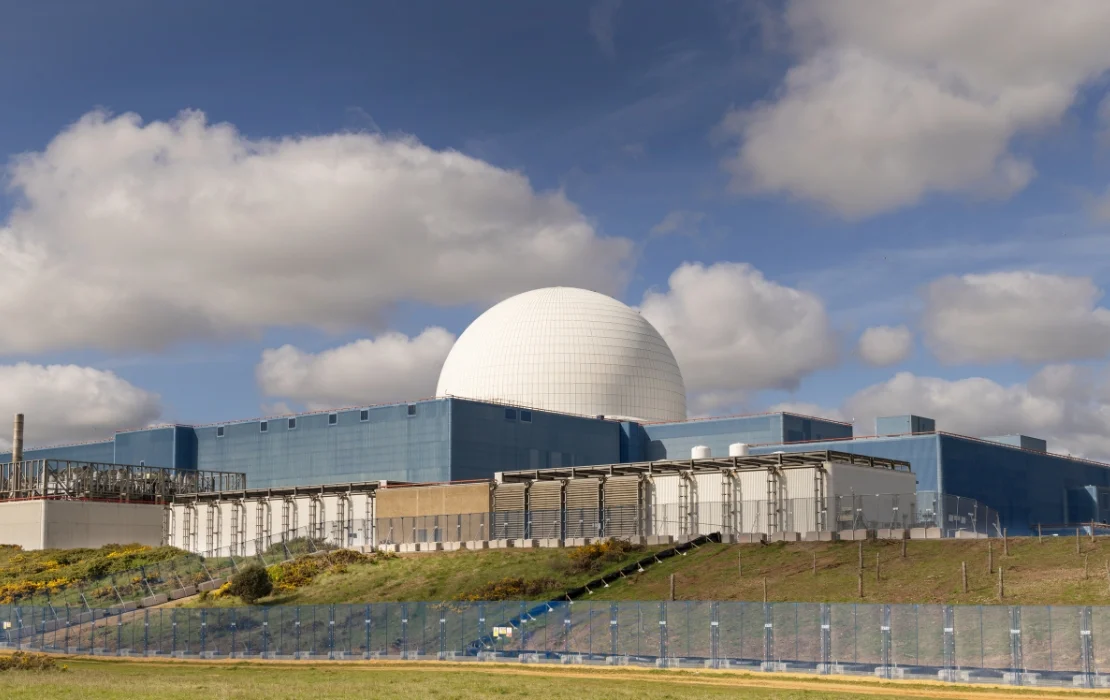
The U.K. is pursuing a two-pronged strategy, investing in both traditional large-scale plants and next-generation Small Modular Reactors (SMRs). The large-track is embodied by projects like Sizewell C, a £38 billion endeavor funded through an innovative Regulated Asset Base (RAB) model designed to de-risk construction for investors. These giants are seen as essential for providing the massive, steady baseload power required by the grid.
Concurrently, the government has selected Rolls-Royce as its preferred partner for SMRs—smaller, factory-built reactors touted as safer and more cost-effective. The first SMR site is planned for Wylfa in Wales. However, analysts caution that SMRs are not a near-term solution. "There is not, at the moment, a single SMR actively producing electricity... They will all come at best in the 30s," noted Ludovico Cappelli of Van Lanschot Kempen, highlighting that from an investment standpoint, the technology remains "a bit scary."
Overcoming Systemic Hurdles: Supply Chains, Talent, and Fuel Security
Beyond financing and technology, the revival faces deeper structural hurdles. The U.K. suffers from a critical shortage of practical, on-the-ground engineering expertise after decades of stalled construction. Furthermore, establishing a secure and sovereign supply chain is paramount. Uranium fuel is dominated by a handful of countries, including Russia, prompting a government commitment to end Russian fuel imports by 2028.
"We have to build nuclear power plants, but we need to build the value chain," Cappelli warned, drawing a parallel to past over-reliance on single natural gas suppliers. The success of the nuclear ambition hinges not just on building reactors, but on cultivating a complete domestic ecosystem—from a skilled workforce to a resilient fuel supply—to ensure this low-carbon power source truly enhances national energy security rather than creating new dependencies.