Dysfunction and Divided Visions Culminate in Raiders' Offseason Reset
The unraveling of the Las Vegas Raiders' 2026 season, which culminated in the firing of head coach Pete Carroll on January 5th, was a process long visible to observers around the NFL. The team entered its bye week in late October with a 2-5 record, fresh off a demoralizing 31-0 shutout loss to the Kansas City Chiefs and plagued by internal discord.
Sources within league coaching and front-office circles reported a significant rift between Carroll and offensive coordinator Chip Kelly, whose scheme failed to mesh with veteran quarterback Geno Smith and the existing roster. Philosophical differences festered, compounded by a struggling offensive line. The partnership, an odd marriage from the start given the lack of prior history between the two strong-willed coaches, was predicted by many to end swiftly after the season.
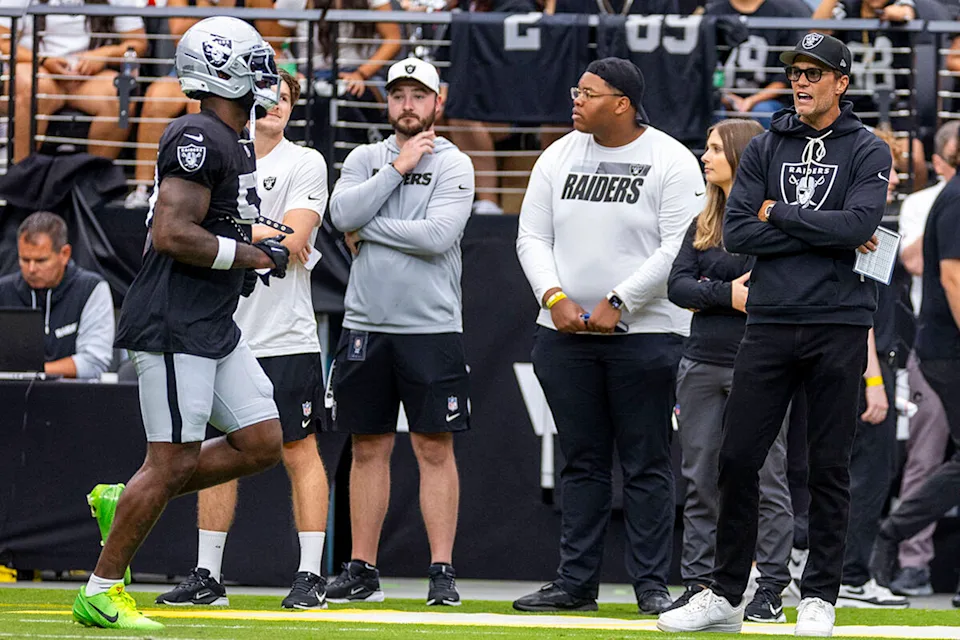
The situation highlighted a fundamental question of organizational direction, amplified by the influential presence of new minority owner Tom Brady. It was Brady whom Kelly cited as key to his decision to join the Raiders after the franchise failed to land top head coaching candidate Ben Johnson. Yet, the team’s midseason acquisition of 33-year-old wide receiver Tyler Lockett, a familiar face from Carroll's Seattle Seahawks tenure, signaled conflicting agendas. The move appealed to Carroll's win-now mindset but clashed with General Manager John Spytek's stated vision of building through young, developing talent.
As one longtime league executive familiar with the organization framed it, owner Mark Davis, Carroll, and Brady appeared to possess "very different visions." This internal misalignment delivered the Raiders to a 3-14 record and the first overall pick in the upcoming draft, forcing the franchise into another reboot—one that may involve trading star defensive end Maxx Crosby and will almost certainly focus on selecting a quarterback with the top selection.
The post-Carroll era now places the spotlight squarely on the operational dynamic between GM John Spytek and Tom Brady. The Raiders have framed their path forward as a "close collaboration" between the two, though Brady’s role remains that of a remote advisor rather than a daily executive presence in the building. This structure inherently elevates Spytek as the central, on-the-ground architect of the revival.
In his season-ending news conference, Spytek assumed accountability for the failed season and offered insight into his relationship with Brady. "I talk to him a lot," Spytek stated. "He’s aware of what we’re doing... He’s a great resource for me... He can’t be here every day right now, but I promise you I talk to him a lot." The description positions Brady more as a high-level consultant than a hands-on operator, suggesting Spytek will be the primary driver of football operations moving forward.
Spytek outlined a conventional rebuild, emphasizing patience over immediate results. "We’re looking for someone to build this the right way and not think that we’ve got to produce 10 wins or whatever next [season]," he said, a clear departure from the previous "win-now" approach. He also committed to granting the next head coach full autonomy to hire their staff, learning from the Carroll-Kelly dysfunction.
The immediate challenges are substantial. Managing the potential trade of Maxx Crosby will test Spytek's executive skill, and the selection of a franchise quarterback with the No. 1 pick will define the tenure of the new head coach. As Spytek noted, winning requires a daily price. For the Raiders, the individual paying that price in the building every day is now unmistakably John Spytek, making him the most critical figure in determining whether this latest reset can finally forge a unified and successful path forward.