Novak Djokovic’s split with the PTPA marks his next chapter of tennis disruption
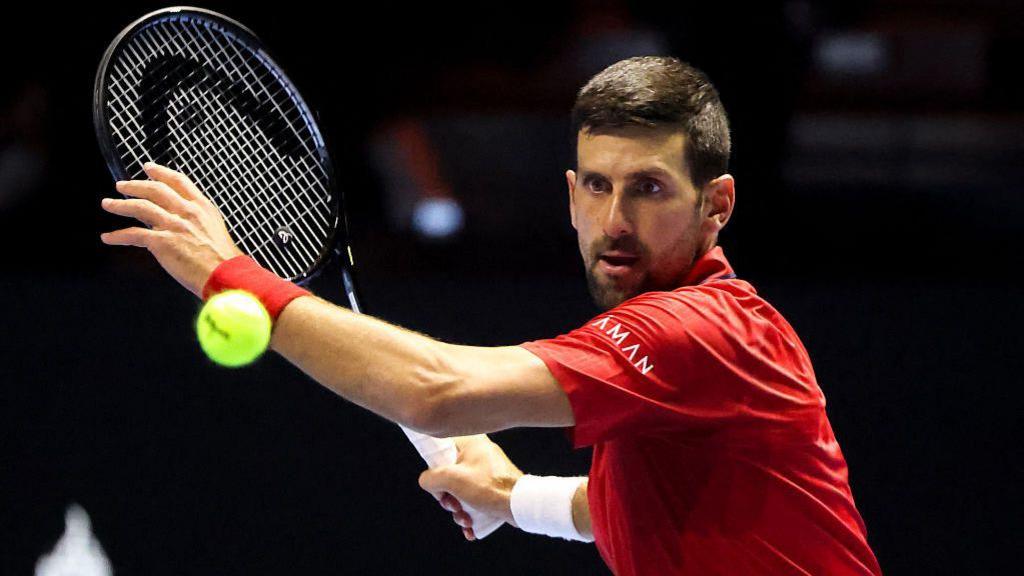
Novak Djokovic’s tenure as professional tennis’s most powerful disruptor has officially ended. On Sunday, the Serbian legend announced his departure from the Professional Tennis Players’ Association (PTPA), the organization he co-founded in 2020 to challenge the established power structures of the sport.
Djokovic cited "ongoing concerns regarding transparency, governance, and the way my voice and image have been represented" for his decision. The PTPA responded with a statement pushing back, alleging a "coordinated defamation and witness intimidation campaign" aimed at discrediting its work.
The split marks a significant shift for Djokovic, who for years positioned himself as a reformer fighting for greater player earnings, freedom, and influence. In 2020, he resigned from the ATP Player Council to launch the PTPA alongside Vasek Pospisil, aiming to create an independent body for players as independent contractors. This move put him at odds with contemporaries Roger Federer and Rafael Nadal, who advocated for unity within the existing tour structure.
However, Djokovic’s role within the sport has evolved. As he approaches the twilight of his career, his status has transformed from a rebellious challenger to a revered elder statesman and sentimental favorite—a position bolstered by his relentless success into his late 30s. This new standing appears to have conflicted with the PTPA’s increasingly adversarial path.
A key point of divergence emerged last year when the PTPA filed major antitrust lawsuits against the ATP, WTA, and the Grand Slams. Djokovic, while aware of the litigation, declined to be a named plaintiff—a clear signal he was unwilling to be the public face of a legal "battering ram" against the sport's most iconic institutions. His legacy is now intertwined with those very tournaments, like Wimbledon and the Australian Open, where he has built his legend.
The separation also highlights the complex conflicts inherent in modern tennis. Djokovic has been a critic of the ATP Tour yet now oversees an ATP event in Athens. He has partnered financially with Saudi Arabia, a major new investor in the sport, while the PTPA challenges the tours those investments support.
The question now is whether the PTPA can survive without its founding star. The organization’s for-profit arm, Winners Alliance, relies on investor confidence and partnerships, which were heavily buoyed by Djokovic’s association. His departure risks creating a perception of an organization adrift, even as its antitrust lawsuits continue.
For Djokovic, the calculus seems clear. With his legendary career nearing its conclusion, preserving his legacy as the sport's greatest champion—and potentially securing a future role within its establishment—takes precedence over leading a protracted, messy fight for control. The disruptor has chosen to make peace, closing a contentious chapter in his remarkable story.