Amazon faces 'leader's dilemma' — fight AI shopping bots or join them
Amazon is accelerating its strategic pivot to address the rapid rise of “agentic commerce,” hiring a corporate development leader focused on partnerships in the space as it balances defensive moves with internal innovation. This shift underscores the profound threat AI-powered shopping agents pose to traditional e-commerce models—and Amazon’s determination not to cede control over the future of online retail.
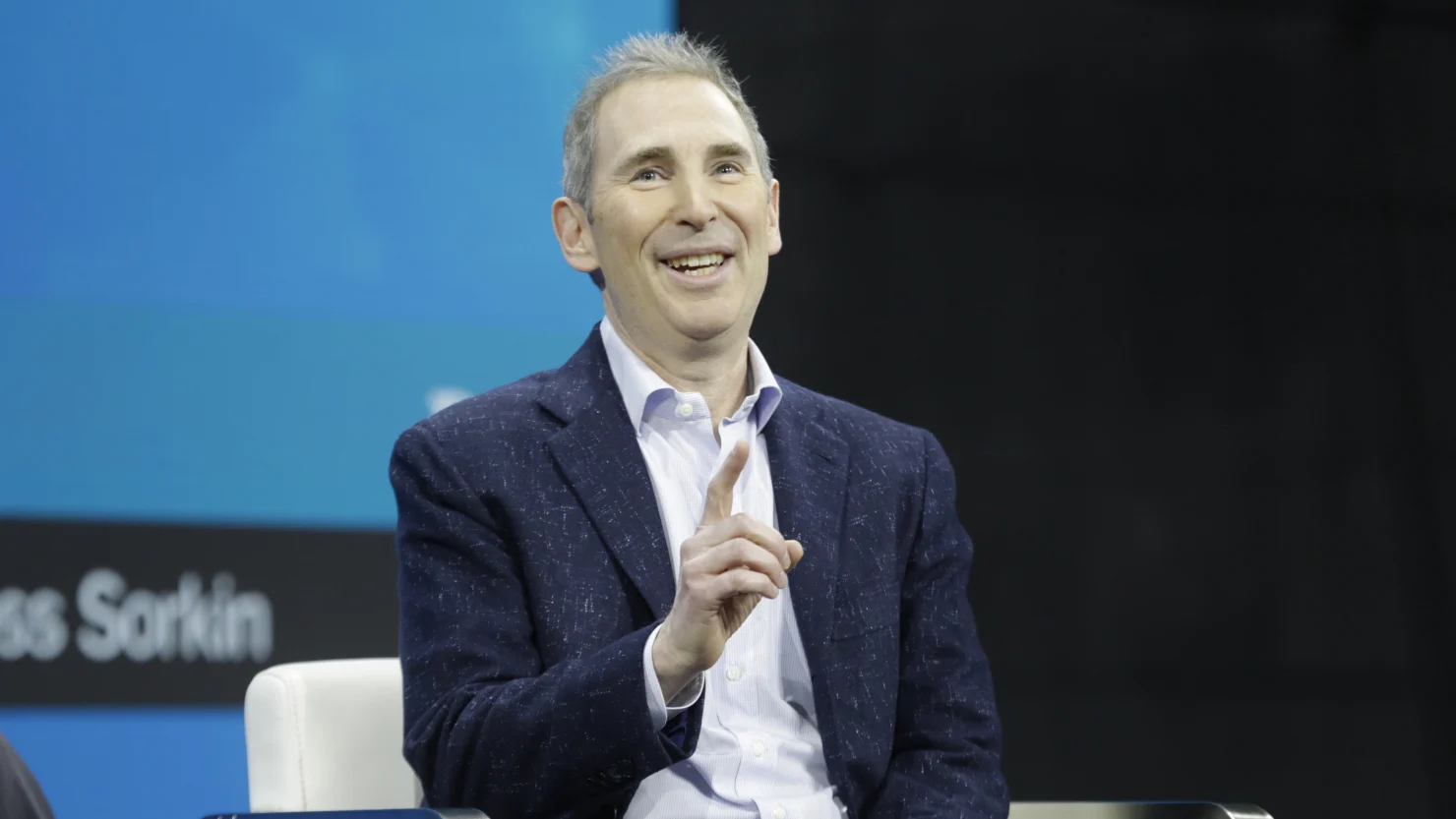
CEO Andy Jassy has publicly acknowledged that AI agents will soon infiltrate daily shopping and tasks. The company is now exploring partnerships with third-party agent providers while simultaneously blocking external AI bots from scraping its site and suing startups like Perplexity for alleged unauthorized data access. This dual approach highlights Amazon’s strategic balancing act in a market that could generate $1 trillion in U.S. retail revenue by 2030, according to McKinsey.
The Threat of Transactional Disintermediation
When consumers shop through an agent like ChatGPT, the AI platform collects a fee—creating what analyst Sucharita Kodali calls a “toll on someone else’s highway” for retailers. This disintermediation risks eroding Amazon’s margins and customer relationships. In response, Amazon has fortified its site against crawlers from major AI firms and is investing heavily in its own agents, like the Rufus chatbot and the “Buy For Me” test feature.
Experimentation Through Subsidiaries
While protecting its core marketplace, Amazon appears to be using subsidiaries like Zappos, Shopbop, and Woot as testing grounds. These sites lack the restrictive bot blocks found on Amazon.com, suggesting a controlled experimentation strategy. “A lot of times they’ll use the subsidiaries to experiment,” noted Scot Wingo of ReFiBuy. “It’s not like they’re letting all the horses out of the barn.”
The Path Forward: Guardrails and Homegrown AI
Amazon may ultimately follow rivals like Walmart and Shopify, which allow limited agent access while setting strict boundaries. The company’s most valuable data—customer reviews and sales rankings—likely remains off-limits to protect its competitive moat. At the same time, Amazon continues enhancing Rufus, adding features like price-triggered auto-purchasing for Prime members and cross-web product suggestions.
As Morgan Stanley predicts nearly half of U.S. shoppers will use AI agents by 2030, Amazon faces what consultant Jordan Berke terms the “leader’s dilemma”: its market dominance means it has the most to lose. The company’s response—mixing litigation, data protection, partnership exploration, and in-house innovation—will set the tone for how e-commerce adapts to an agent-driven future.