LIV Golf's Star Power Fades as Koepka's Exit Signals Uncertain Era
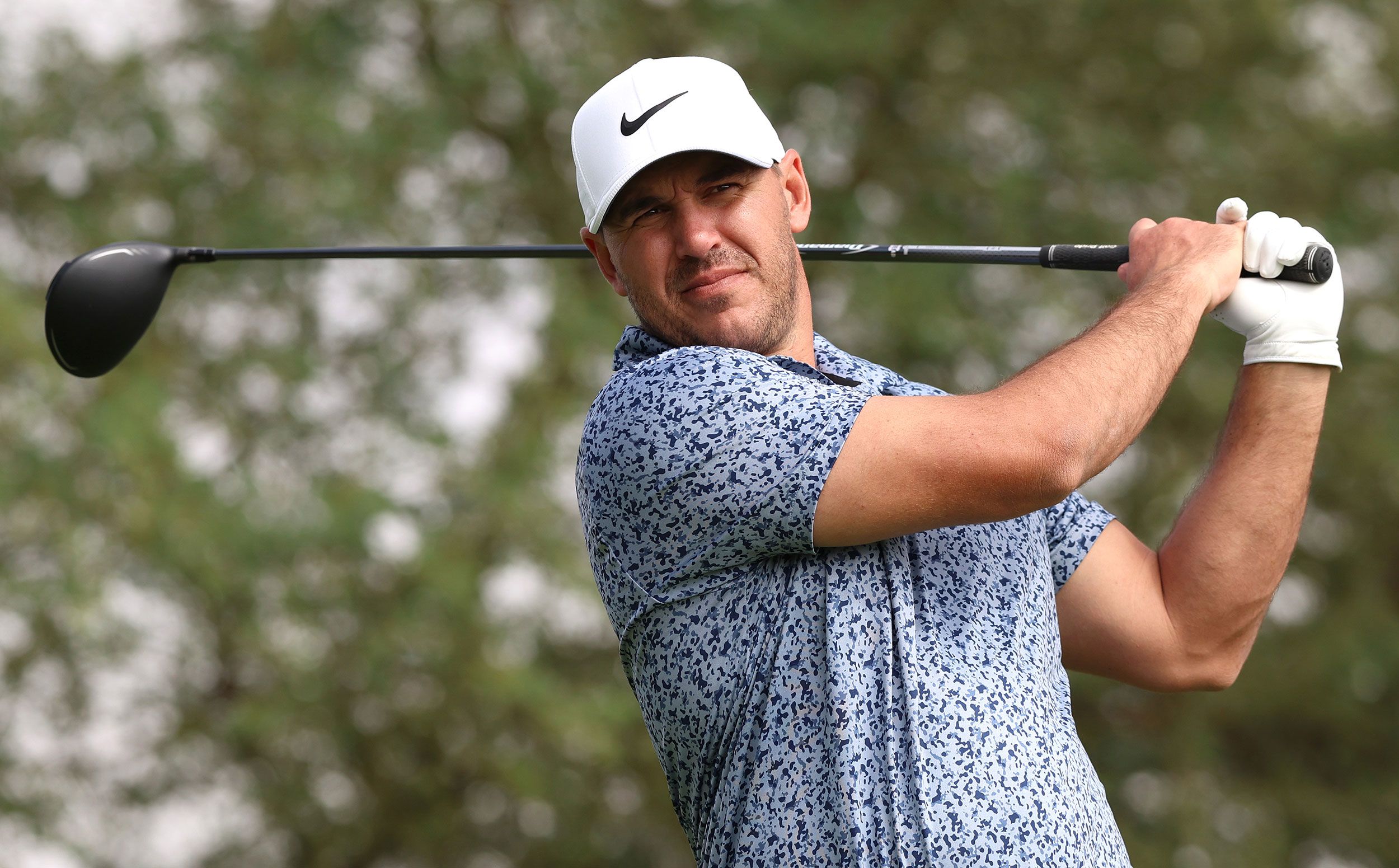
Four years after its explosive launch, LIV Golf's strategy of luring top stars with Saudi-backed fortunes appears to be losing momentum. The departure of marquee player Brooks Koepka—one of the league's few active major championship threats—and a recent run of signings that fail to move the needle suggest the breakaway circuit is facing a pivotal challenge: sustaining relevance after its initial shockwave.
The league's latest acquisitions, headlined by world No. 56 Thomas Detry, underscore a shift from capturing household names to adding competent but lesser-known talent. This trend falls short of the "splash" envisioned by new CEO Scott O'Neil, as confirmed by reports that rising stars like Akshay Bhatia and established TOUR winners like Si Woo Kim and Sungjae Im have recently turned down lucrative offers. Koepka's exit not only depletes LIV's competitive credibility at majors but also introduces instability among its remaining headliners.
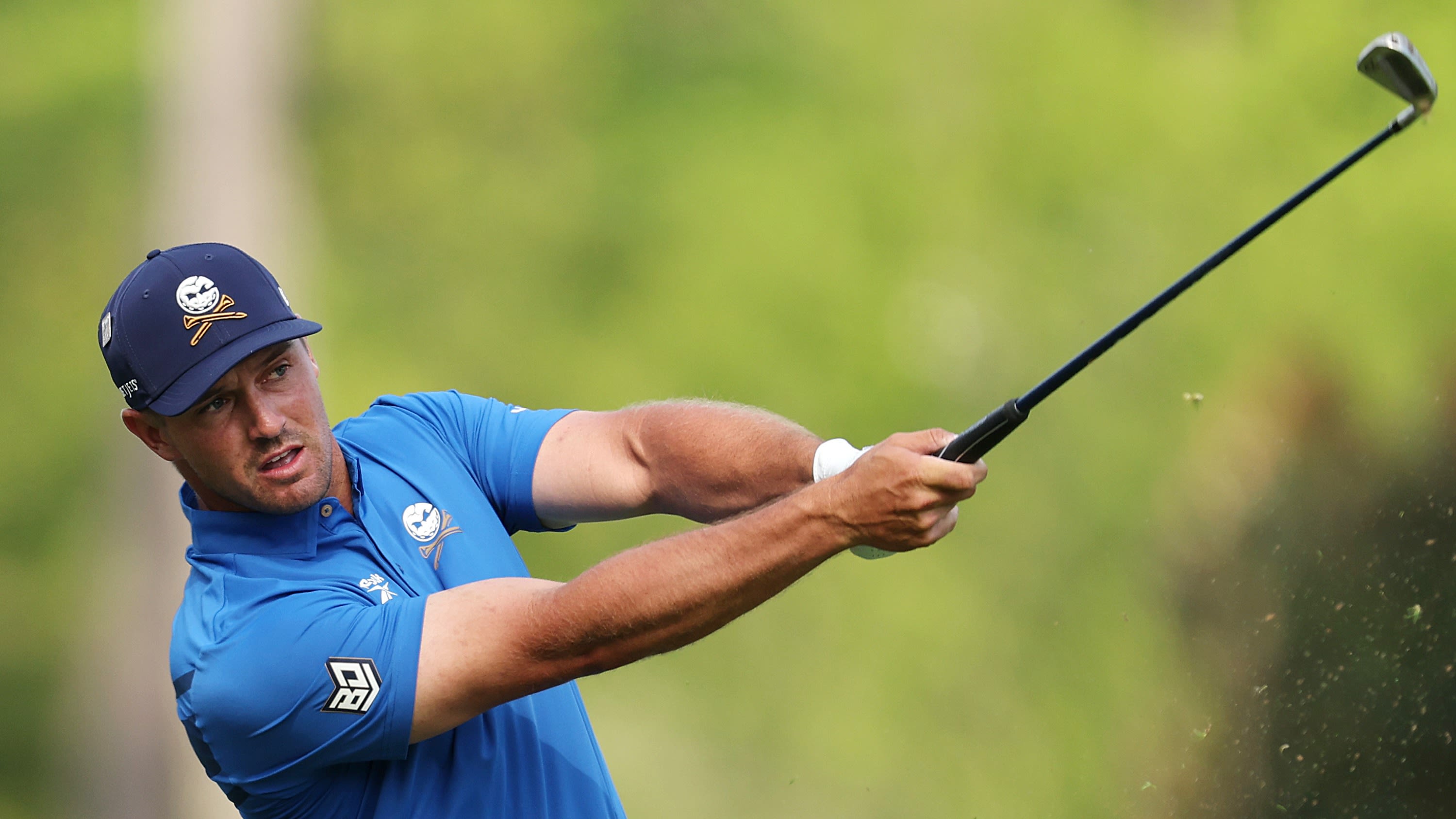
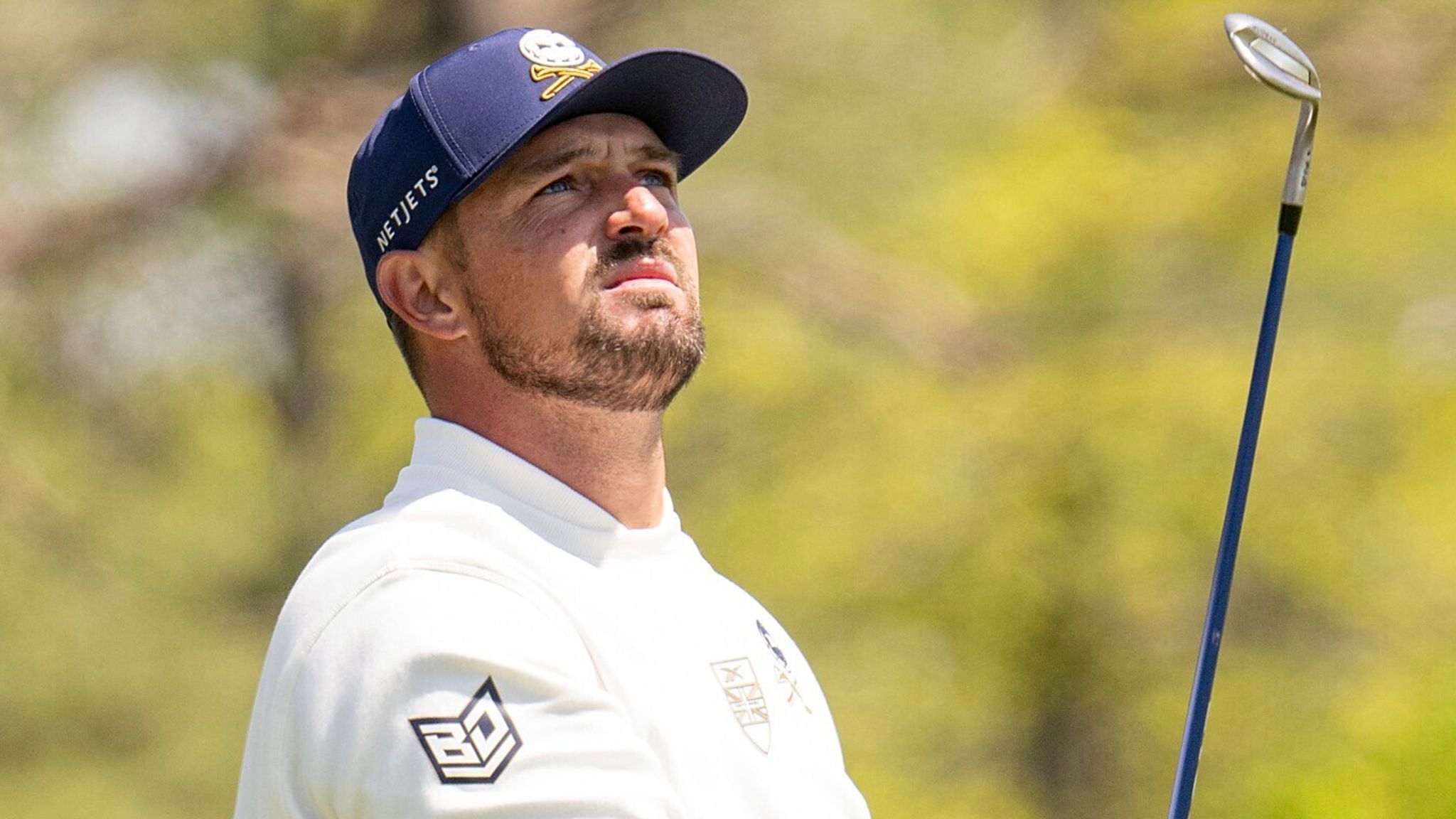
That instability is most evident with Bryson DeChambeau, LIV's de facto poster boy, whose contract expires at the end of 2026. In a recent interview, DeChambeau pointedly refused to commit to re-signing, citing Koepka's departure as a disruptive factor and calling for significant improvements. "Things have got to change. Things have got to improve," he stated, signaling that LIV's current model may not satisfy even its biggest stars.
The Verdict: A Critical Inflection Point
LIV Golf succeeded in fracturing the professional golf landscape and forcing the PGA TOUR into a defensive, lucrative merger. However, its current trajectory—losing a foundational star in Koepka, failing to attract new top-tier talent, and facing public skepticism from its remaining cornerstone—suggests the league is entering a more uncertain chapter. The initial war of checkbooks has evolved; the new battle is for long-term viability, fan interest, and the loyalty of the very stars who built the brand. Without a compelling answer, LIV risks becoming a well-funded niche tour rather than a transformative force.