
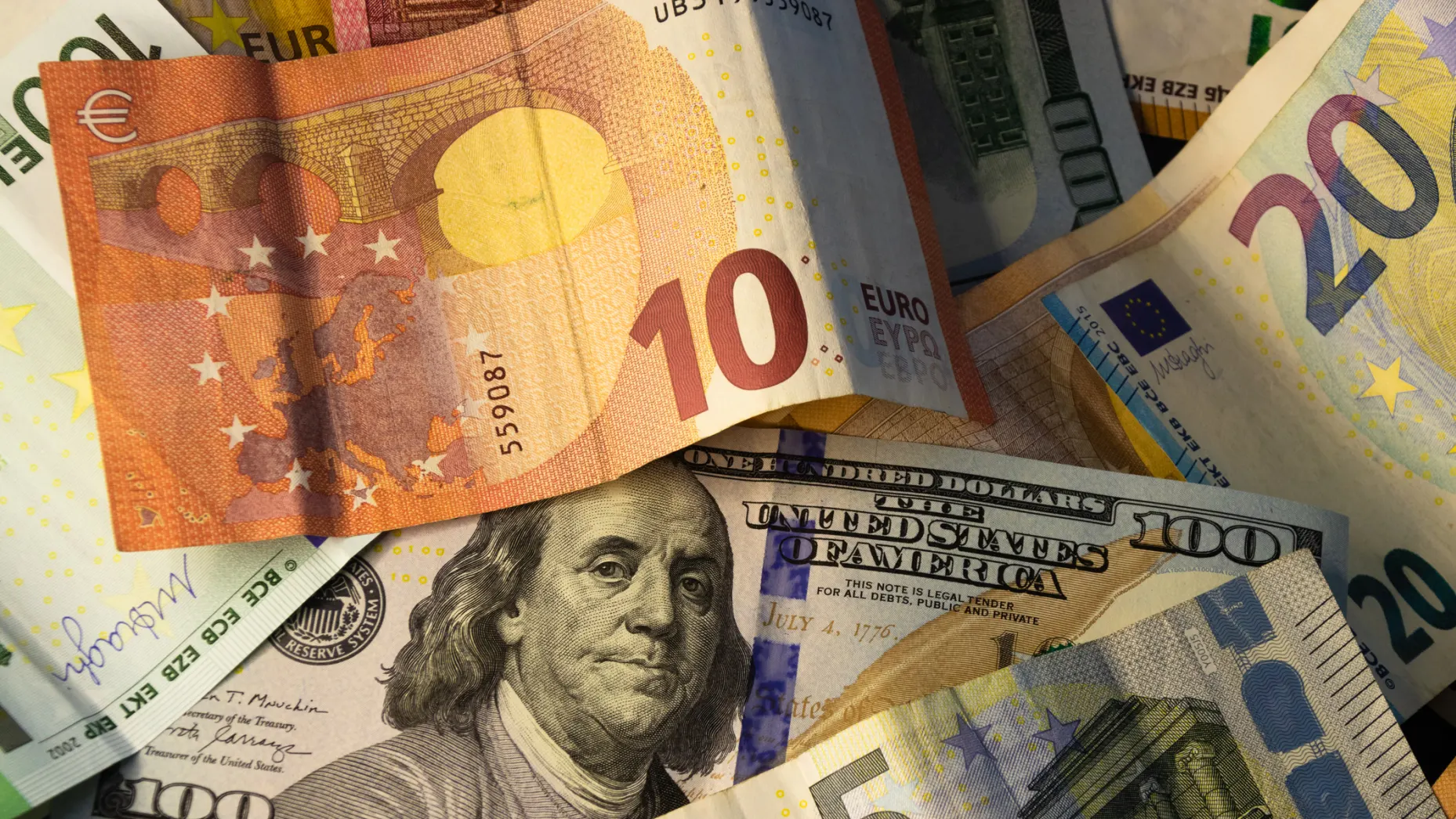
Dollar weak with rate-cut enthusiasm intact, euro at 7-week high
The U.S. dollar remained under pressure on Thursday, following subdued economic data that reinforced market expectations for a Federal Reserve rate cut next week. The prospect lifted the euro to its highest level in nearly seven weeks and provided some respite for the Japanese yen.
Market sentiment has been further influenced by speculation that White House economic adviser Kevin Hassett could succeed Jerome Powell as Fed Chair when Powell's term concludes in May. Analysts suggest that Hassett, if appointed, might pursue a more aggressive easing path in alignment with President Trump's preferences, a scenario that could exert additional downward pressure on the dollar.
According to the CME FedWatch Tool, traders are pricing in an 89% probability of a 25-basis-point rate cut at next week's Fed meeting, with total easing of 89 basis points anticipated by the end of next year. However, some analysts caution that the market may be overestimating the depth of the easing cycle given the underlying resilience of the U.S. economy.
"The strength of the U.S. economy may keep investors from pricing in too many cuts over the medium term, which should prevent the dollar from falling too sharply," said Thomas Mathews, head of markets for the Asia-Pacific region at Capital Economics.
The dollar index, which measures the greenback against a basket of six major currencies, traded at 98.919, hovering near a five-week low. The index has declined nearly 9% year-to-date.
The euro held steady at $1.1674 during Asian trading hours after reaching its highest level since October 17. The single currency has gained over 12% this year, buoyed earlier by trade policy uncertainties and more recently by rising U.S. rate cut expectations. Supporting the euro, data showed euro zone business activity expanded at its fastest pace in 30 months during November.
The European Central Bank is scheduled to meet in two weeks and is widely expected to maintain its current policy stance, with markets assigning only a 25% chance of any easing next year.
The yen was little changed at 155.18 per dollar. Intervention concerns have eased slightly, though Japanese bonds faced selling pressure this week due to fiscal worries surrounding Prime Minister Sanae Takaichi's proposed spending plan. Market attention is now shifting to the Bank of Japan, which is anticipated to raise interest rates at its upcoming meeting following recent signals from Governor Kazuo Ueda.
Sterling traded near $1.33425, close to its highest level since late October. The Australian dollar fetched $0.66075, while the New Zealand dollar stood at $0.5774, with both currencies trading near multi-week highs.