Arctic, NATO, Geopolitics
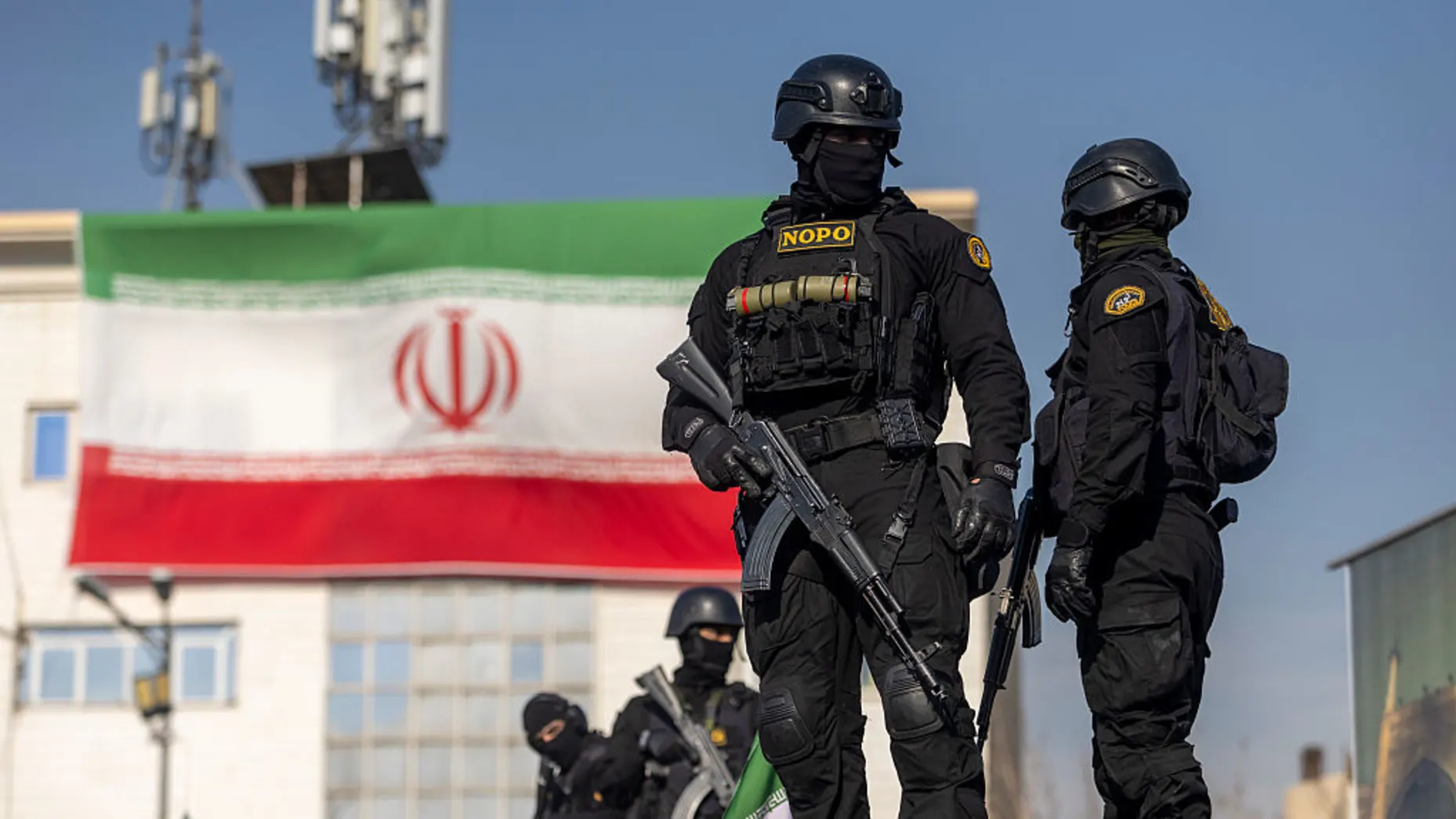
Iran reopened its airspace to civilian traffic early Thursday, ending a five-hour closure that had severely disrupted flights amid heightened concerns over potential U.S. military action. The restriction, which lasted from 10:30 p.m. EST Wednesday to 3:30 a.m. UTC Thursday, initially barred most incoming and outgoing flights, though exemptions were made for approved international flights to and from Tehran.
Despite the reopening, flight-tracking data showed most aircraft continued to avoid Iranian airspace hours later, reflecting ongoing caution within the aviation industry. Several international carriers had already canceled or rerouted flights in recent days.
The airspace closure occurred against a backdrop of escalating tensions. U.S. President Donald Trump had threatened intervention following Iran's violent crackdown on widespread anti-government protests, stating he would "come to the rescue" of demonstrators if the violence continued. In response, the U.S. reportedly began relocating some personnel and equipment from bases in the Middle East.
However, Trump later appeared to de-escalate his rhetoric Wednesday night, stating he had received assurances the killings of protesters had stopped and that he would "watch it and see" regarding potential military action.
The precautionary measures by global airlines are widespread. The Lufthansa Group confirmed it would continue bypassing Iranian and Iraqi airspace indefinitely, with some cancellations. U.S. carriers are prohibited from overflying Iran, while major airlines such as Emirates, Qatar Airways, and Turkish Airlines have canceled multiple flights to Iran in recent days. India's largest airline, IndiGo, also announced disruptions due to the closure.
The protests, triggered initially by a severe economic crisis and a plunging currency, have evolved into a broad movement against the country's theocratic rule. According to the U.S.-based HRANA rights group, the clashes have resulted in at least 2,571 fatalities.
.webp)