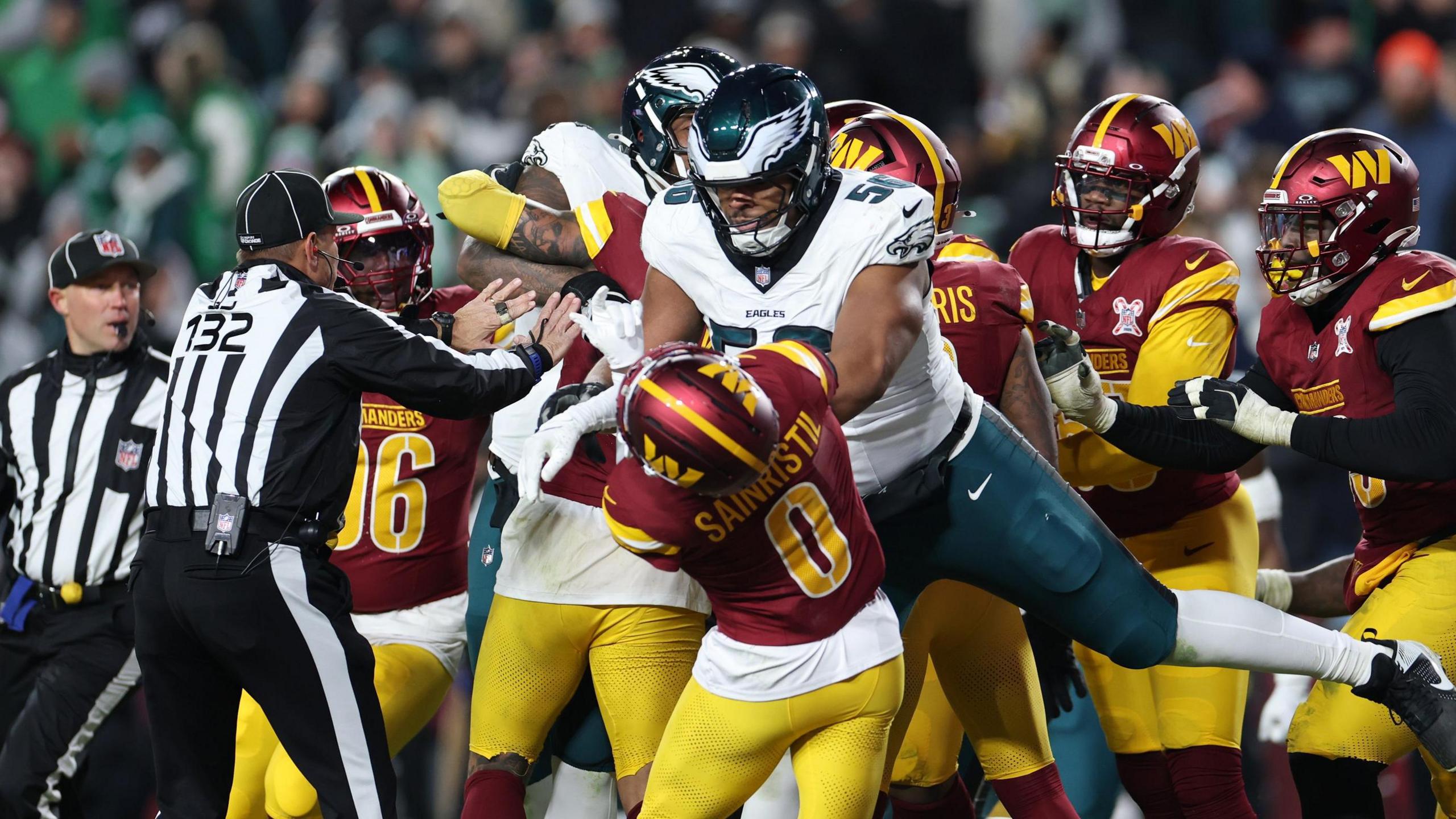

The Quarterback Salary Paradox: Big Contracts No Guarantee for NFL Playoff Berths
With the NFL playoff field finalized, a notable trend has emerged: half of the league's ten highest-paid quarterbacks, ranked by average annual value, will be watching the postseason from home. This reality, highlighted by Spotrac, reignites the perennial debate about roster construction in a salary-capped era: does committing a massive premium to a single quarterback inherently hamstring a team's ability to build a complete, competitive roster?
The data presents a complex picture. Among the playoff participants, five starting quarterbacks—including standout performers like C.J. Stroud of the Houston Texans and Bo Nix of the Denver Broncos—are playing on cost-controlled rookie contracts. This financial flexibility has allowed their teams to allocate significant resources elsewhere, particularly on defense and supporting offensive weapons, crafting what many consider the optimal blueprint for a Super Bowl contender.
This "rookie contract window" is a proven pathway to success, exemplified by teams like the Seattle Seahawks with Russell Wilson and the Kansas City Chiefs with Patrick Mahomes, who won championships before their star quarterbacks signed market-resetting deals.
However, dismissing high quarterback salaries as a playoff liability would be an oversimplification. While lucrative deals for Dak Prescott, Joe Burrow, Jared Goff, and Lamar Jackson coincided with their teams missing the postseason, context is crucial. Burrow's season was derailed early by injury, a factor independent of his contract. Both the Detroit Lions and Baltimore Ravens, led by Goff and Jackson respectively, fielded talented, well-rounded rosters but were ultimately undone by injuries and the fierce competitiveness of their divisions.
The case of the Dallas Cowboys points more directly to long-term roster management philosophies under owner Jerry Jones than to Prescott's salary as the sole culprit. Conversely, the situation with Tua Tagovailoa in Miami appears to be a clearer example of a premium contract failing to yield a commensurate return, with the quarterback's performance decline leading to a late-season benching.
Ultimately, the playoff quarterback salary list reveals two viable paths to contention. The first is the efficient, time-sensitive build around a talented quarterback on a rookie deal. The second is the more challenging, but not impossible, task of constructing a championship-caliber team around a veteran earning top dollar—a feat historically achieved by legends like Tom Brady and Peyton Manning. The challenge for general managers is not merely paying the quarterback, but executing flawless team building around him, regardless of the number on his contract.


.jpg)