Trade Winds Swirl Around Trae Young: Analyzing Potential Landing Spots and Fit
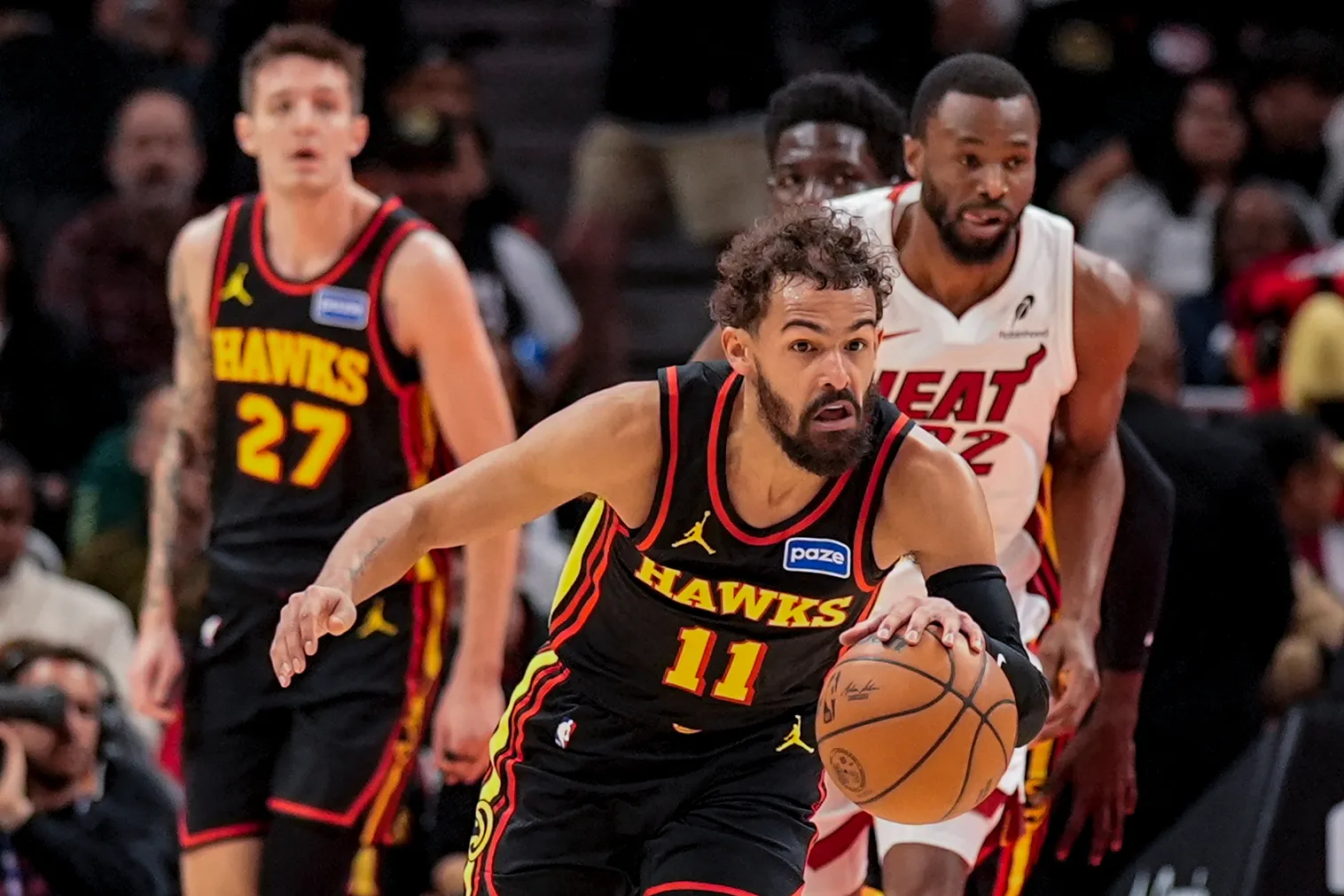
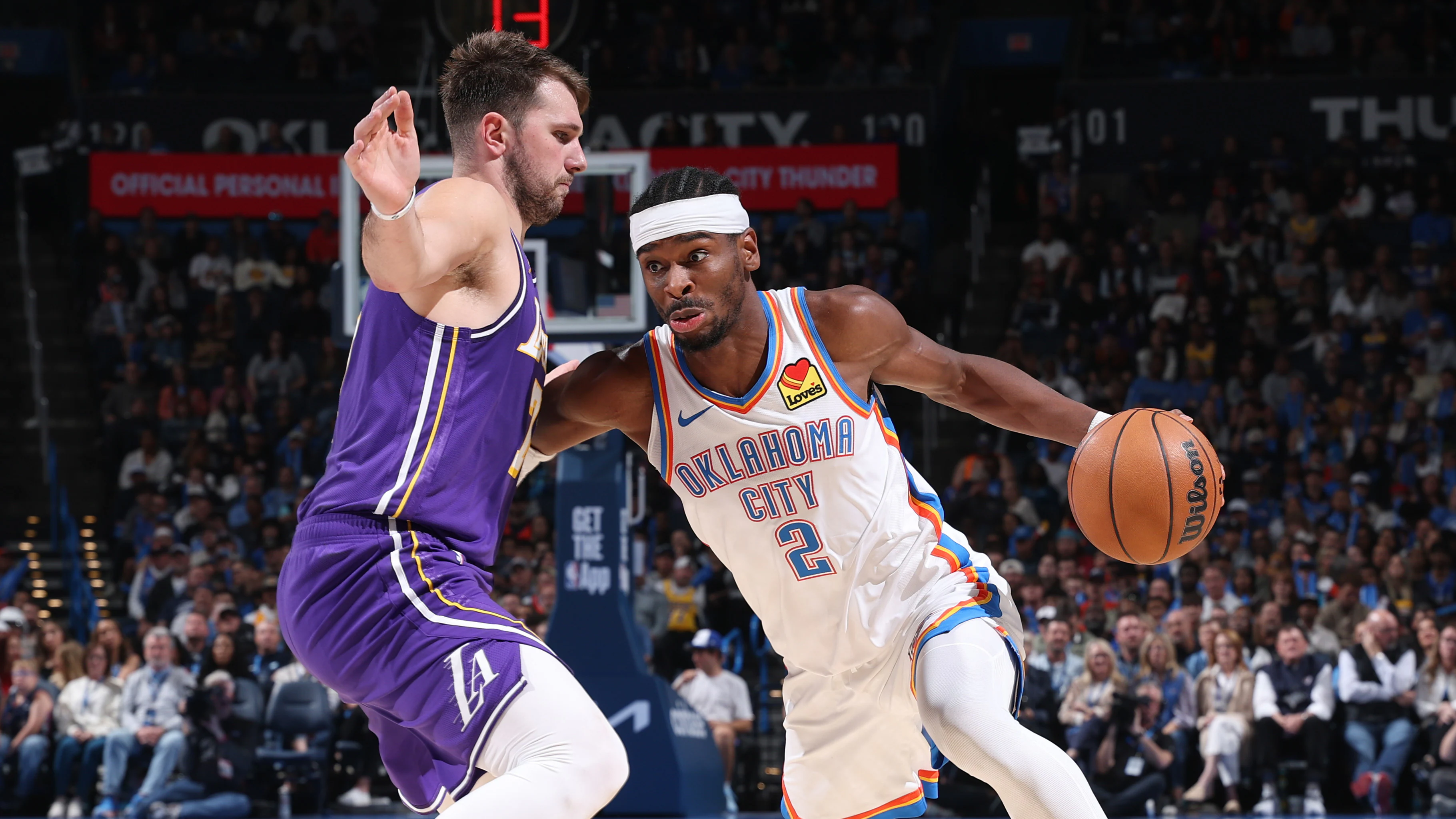
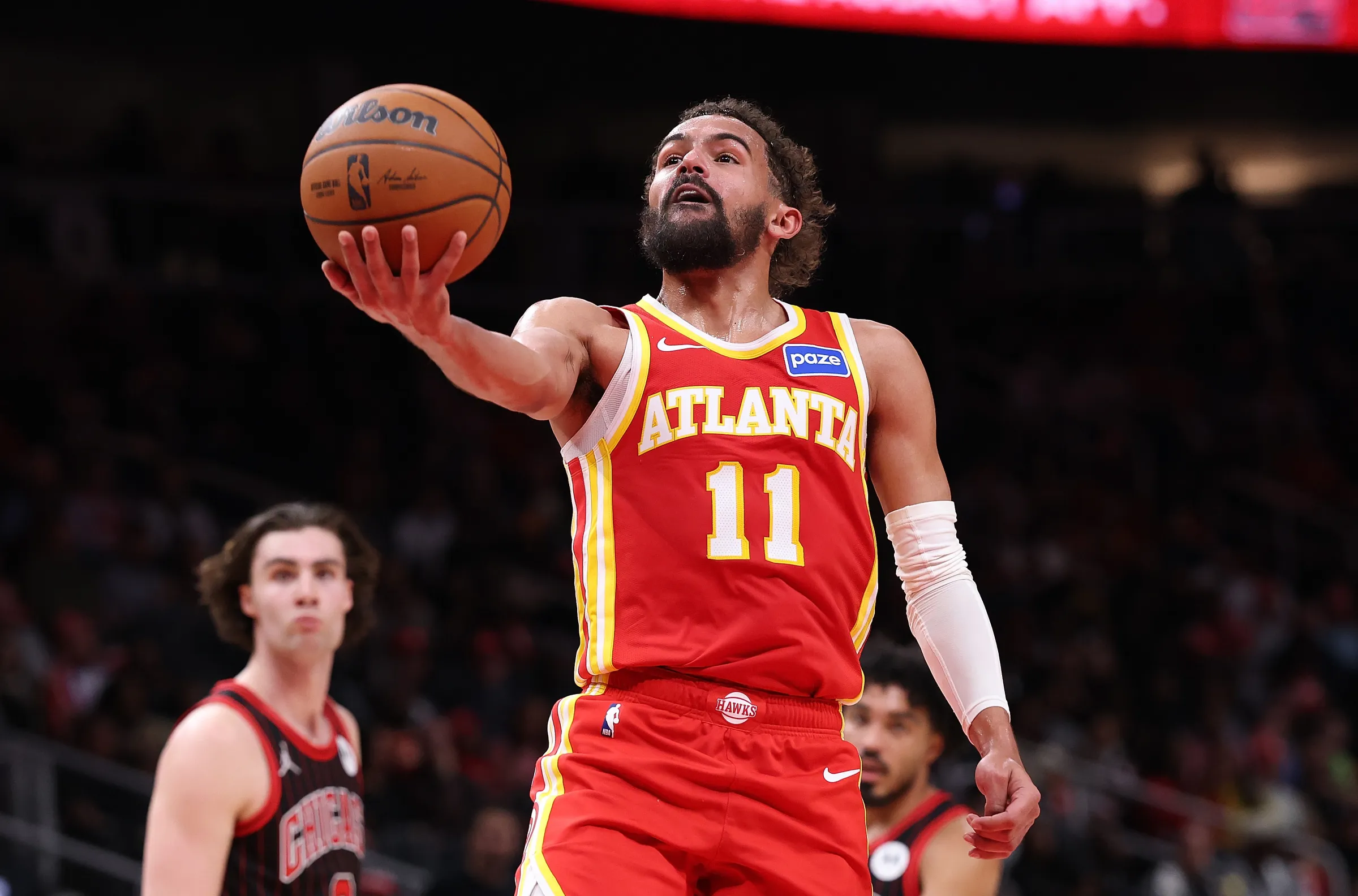
Reports that Trae Young and the Atlanta Hawks are mutually working toward a trade have sparked significant debate about the All-Star guard's future, his value, and Atlanta's subsequent direction.
The Logic Behind the Split
The consensus among analysts is that a parting of ways is logical, if not overdue. Young's profound defensive limitations have become unsustainable for Atlanta; the team's defensive rating plummets to a league-worst level when he is on the court. With the emergence of Jalen Johnson as a two-way focal point, Young's style of high-usage, heliocentric offense no longer aligns with the team's needs or its future timeline. Moving his substantial contract—$46 million this season with a $49 million player option for 2026-27—represents a chance to reshape the roster.
Potential Destinations: A Tricky Fit
Identifying an ideal trade partner is complicated by Young's salary and specific skill set. Several destinations have been proposed:
Minnesota Timberwolves: Cited as perhaps the only contender with the defensive infrastructure (Anthony Edwards, Jaden McDaniels, Rudy Gobert) to hide Young's weaknesses and create a championship-caliber team. However, matching salaries would be extremely difficult without disrupting that very core.
Chicago Bulls: Suggested as a team where Young's need to be the primary option would not hinder championship aspirations, as the Bulls are not currently in that conversation. Expiring contracts could facilitate a deal.
Sacramento Kings/Washington Wizards: Mentioned as spiritual or stylistic fits, though these destinations would likely be more about granting Young a featured role than immediate contention.
The Anthony Davis Question
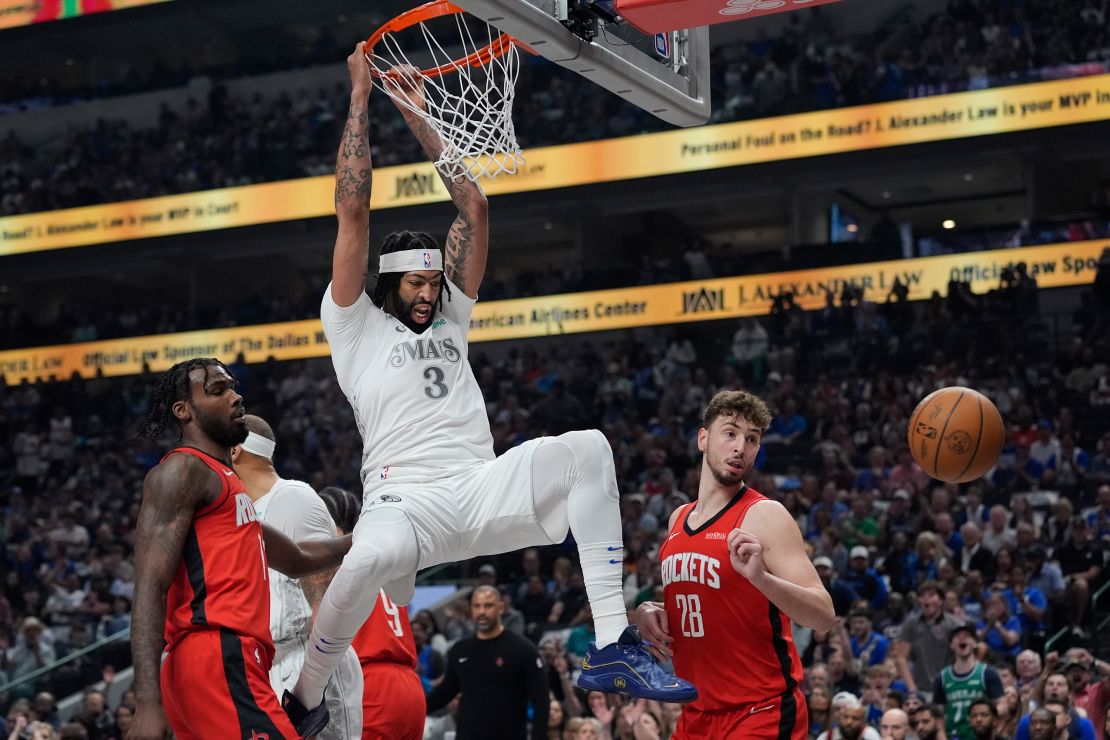
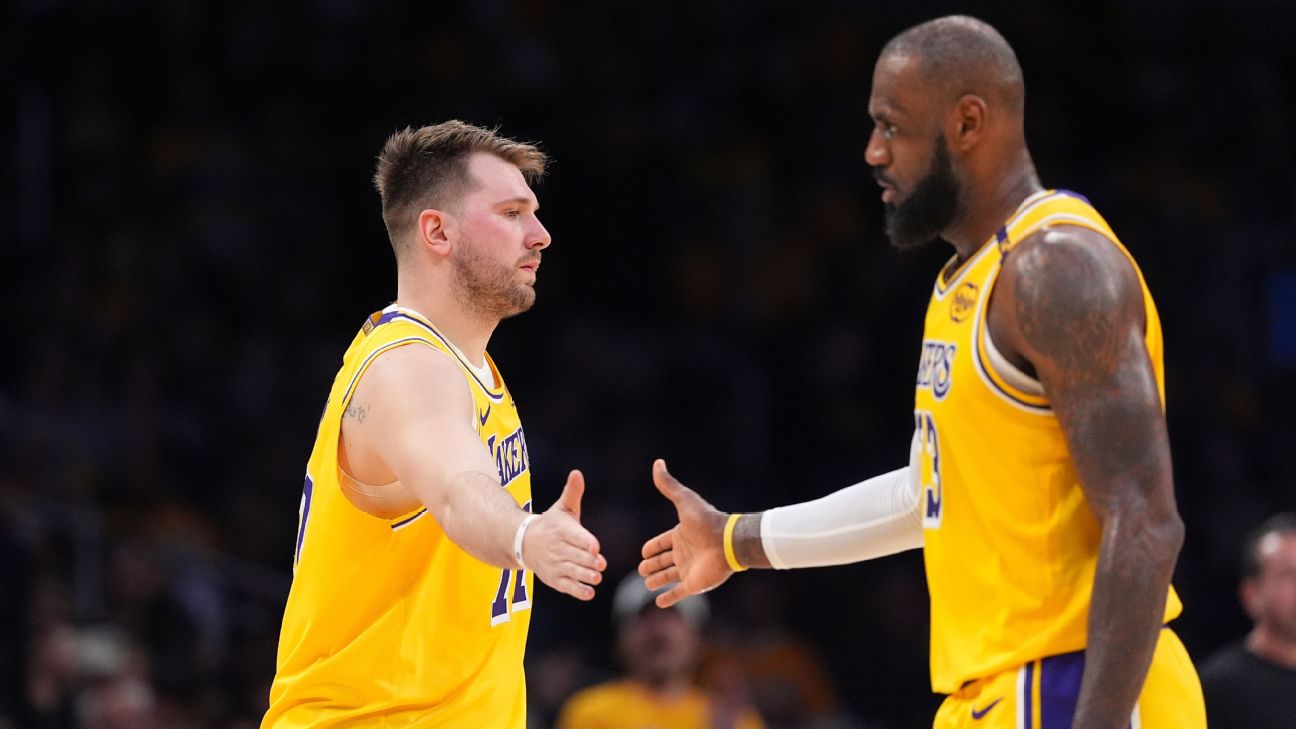
Most analysts strongly advise the Hawks against pivoting to acquire Anthony Davis from the Los Angeles Lakers. The consensus is that trading for an oft-injured, aging star on a max contract does not fit the timeline of a team rebuilding around Johnson, Dyson Daniels, and Zaccharie Risacher. It would be seen as a desperate move contradicting the logic of trading Young in the first place.
Championship Point Guard?
The panel is divided but conditionally affirmative on whether Young can be the starting point guard on a title team.
The Condition: It would require Young to accept a role as a secondary or tertiary option to a more complete superstar, improve his off-ball play, and be surrounded by an elite defensive roster capable of covering for his liabilities. A defensive anchor of Rudy Gobert or Victor Wembanyama's caliber was cited as a near-necessity.
The Verdict: While possible in a perfectly constructed scenario, his 2021 conference finals run appears more an aberration than a blueprint. His championship viability hinges entirely on a dramatic contextual shift rather than an evolution of his own game.
In summary, Trae Young's trade market will test how the league values elite playmaking and scoring that comes with significant defensive cost. For Atlanta, the move signifies a commitment to a new defensive identity and building around its younger core.