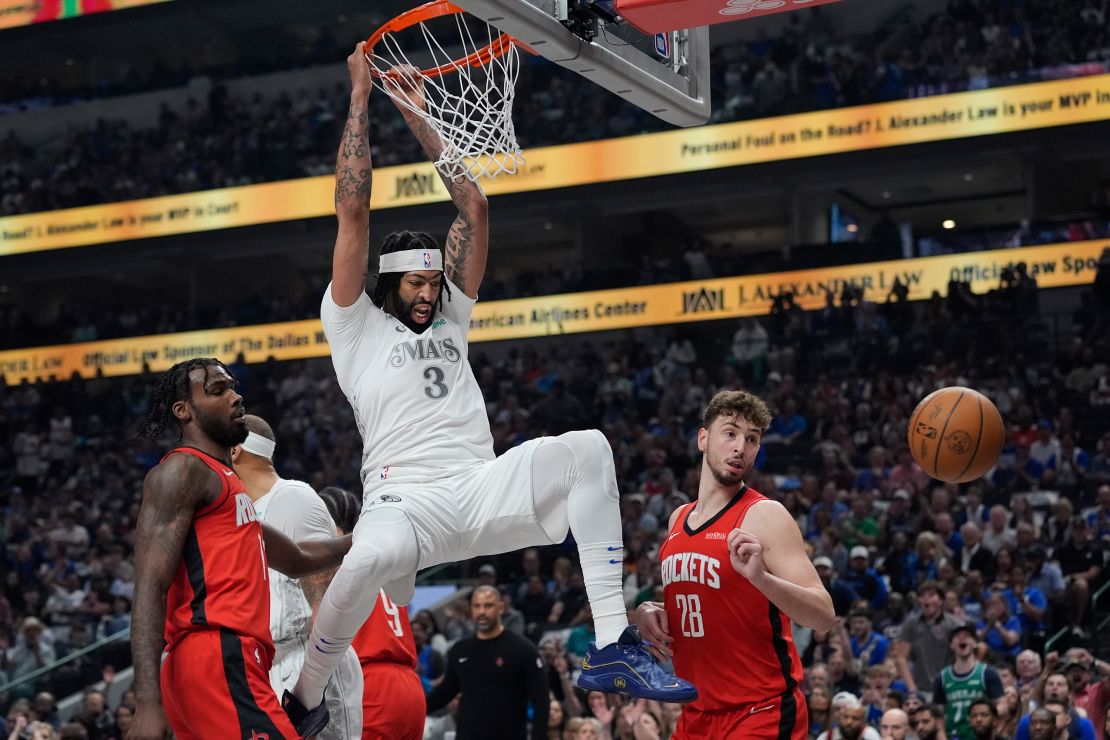
Anthony Davis Trade Rumors: Why Teams Should Look, But Not Touch
As the NBA trade deadline approaches, few names generate as much conversation—and immediate hesitation—as Anthony Davis of the Dallas Mavericks. While the talent of the eight-time All-Star is undeniable, a confluence of significant red flags makes the idea of trading for him one of the riskiest propositions in recent league history. Any franchise considering a deal must confront three inescapable realities.
The Pervasive Problem of Availability
Since his headline-grabbing move to Dallas a year ago, Davis's story has been defined by absence. He has suited up for only 28 games, continuing a career-long trend of interrupted seasons. His outlier 76-game campaign in 2023-24 now appears as the glaring exception, not a new rule. Over the preceding three seasons, he averaged just 44 appearances. For a player whose value is rooted in elite two-way impact, the most critical ability is availability. Trading premier assets for a player who projects to miss 30-40 games a season is a foundational flaw in any roster construction plan.
A Franchise-Crippling Financial Anchor
The injury concerns would be more palatable if not for Davis's monumental contract. He is in the first year of a massive extension, owed a staggering $121.2 million over the next two seasons after this one. This commitment would immediately consume a contender's financial flexibility, mandating an "all-in" championship push. However, banking a title run on a player with Davis's durability record is not bold—it's perilous. It is the kind of salary-cap decision that can paralyze a franchise for years if it goes wrong, limiting all other roster moves and future signings.
The Inevitability of Physical Decline
Compounding these issues is the natural timeline of an NBA career. Davis turns 33 in March, and there are already visible signs of declining athletic pop. Acquiring him now means paying a premium for past production while betting against the accelerating effects of age on an already injury-prone body. The window to win with him as a central pillar is not just short—it may already be closing. This creates a nearly impossible timeline for a new team: they must win immediately, yet cannot reliably build game plans around his consistent presence on the court.
The Verdict: A Cautionary Tale
Anthony Davis remains a transformative force on both ends of the floor when healthy. But the operative word, "when," carries far too much weight. For any team with legitimate championship aspirations, the combined risk of his injury history, catastrophic contract, and advancing age creates a prohibitive gamble.
The prudent move for rival executives is to observe the Mavericks' dilemma from a distance. In the high-stakes game of NBA team-building, acquiring Anthony Davis at this juncture is less about buying a superstar and more about inheriting a monumental, potentially franchise-altering problem. The smart play is to look, but decisively not to touch.