
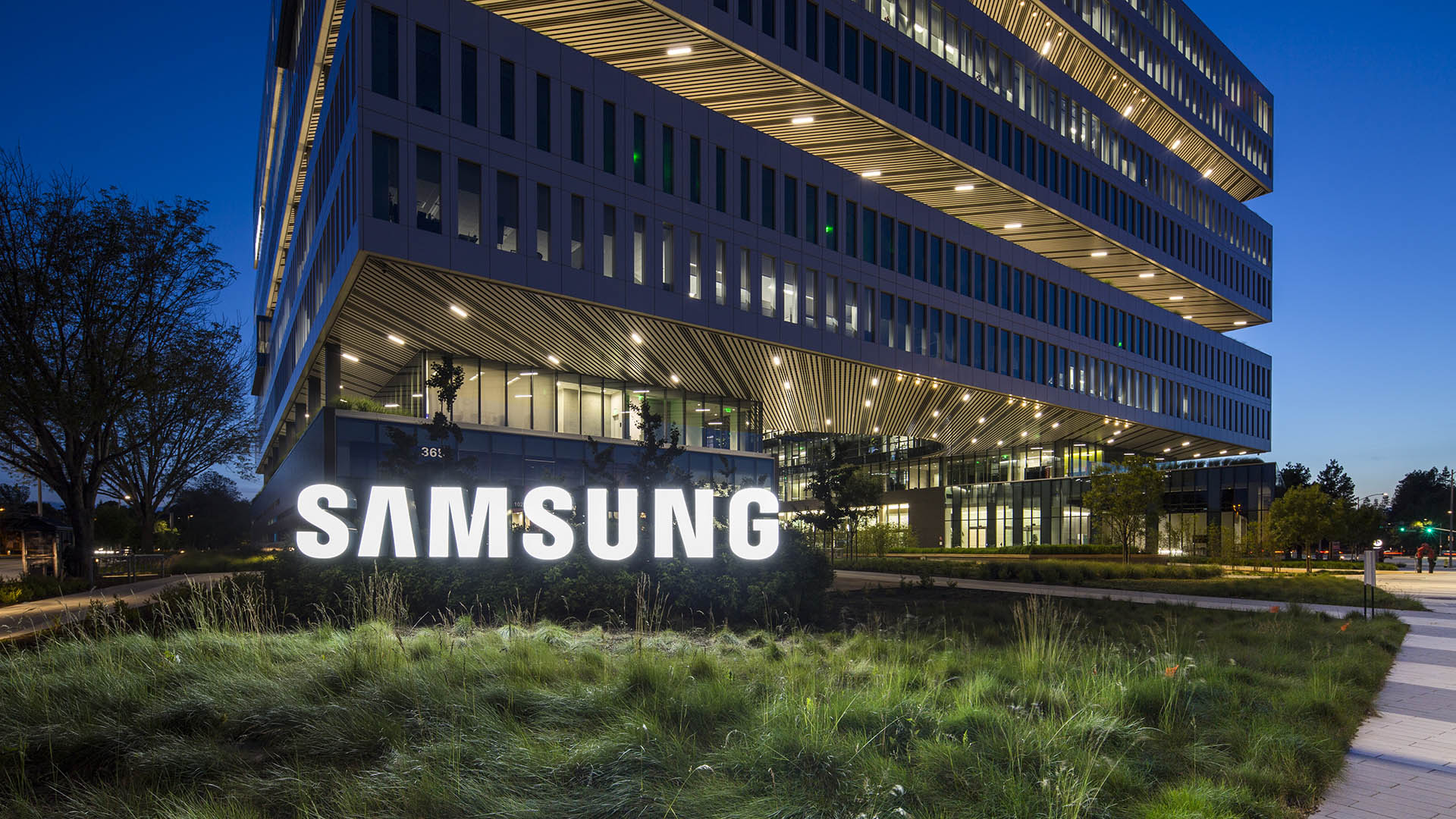
Samsung Electronics estimates nearly three-fold profit surge as memory prices skyrocket
Samsung Electronics forecasts its operating profit nearly tripled to a record 20 trillion won (approximately $13.8 billion) in the fourth quarter of 2025, driven by a historic surge in memory chip prices fueled by booming artificial intelligence demand. The preliminary results signal the world's largest memory chipmaker is entering a "Hyper-Bull" phase, eclipsing its previous profit peak from 2018.
The explosive growth stems from an industry-wide shortage as chipmakers like Nvidia scramble for limited supplies of high-bandwidth memory (HBM) and other advanced chips essential for AI servers. Market analysts note that memory prices skyrocketed 40%-50% in the last quarter, a trend expected to continue into early 2026. This has created unprecedented supplier leverage for Samsung and its rivals SK Hynix and Micron, though it has also increased manufacturing costs for consumer electronics companies.
Strategic Focus on High-Bandwidth Memory
Despite the overall windfall, Samsung continues to play catch-up in the premium HBM segment, where SK Hynix currently holds a lead as a key supplier to Nvidia. Expanding its HBM production capacity is poised to be a critical strategic priority for Samsung in the coming year to capture more of the high-margin AI chip market. The company's shares have reflected the bullish outlook, rising over 145% in the past 12 months.
Samsung's projected performance underscores how the AI revolution is reshaping the semiconductor landscape, creating a stark divide between the surging memory sector and other parts of the electronics supply chain. The company will release its full audited earnings and provide further details on its capital expenditure and technology roadmap later this month.