
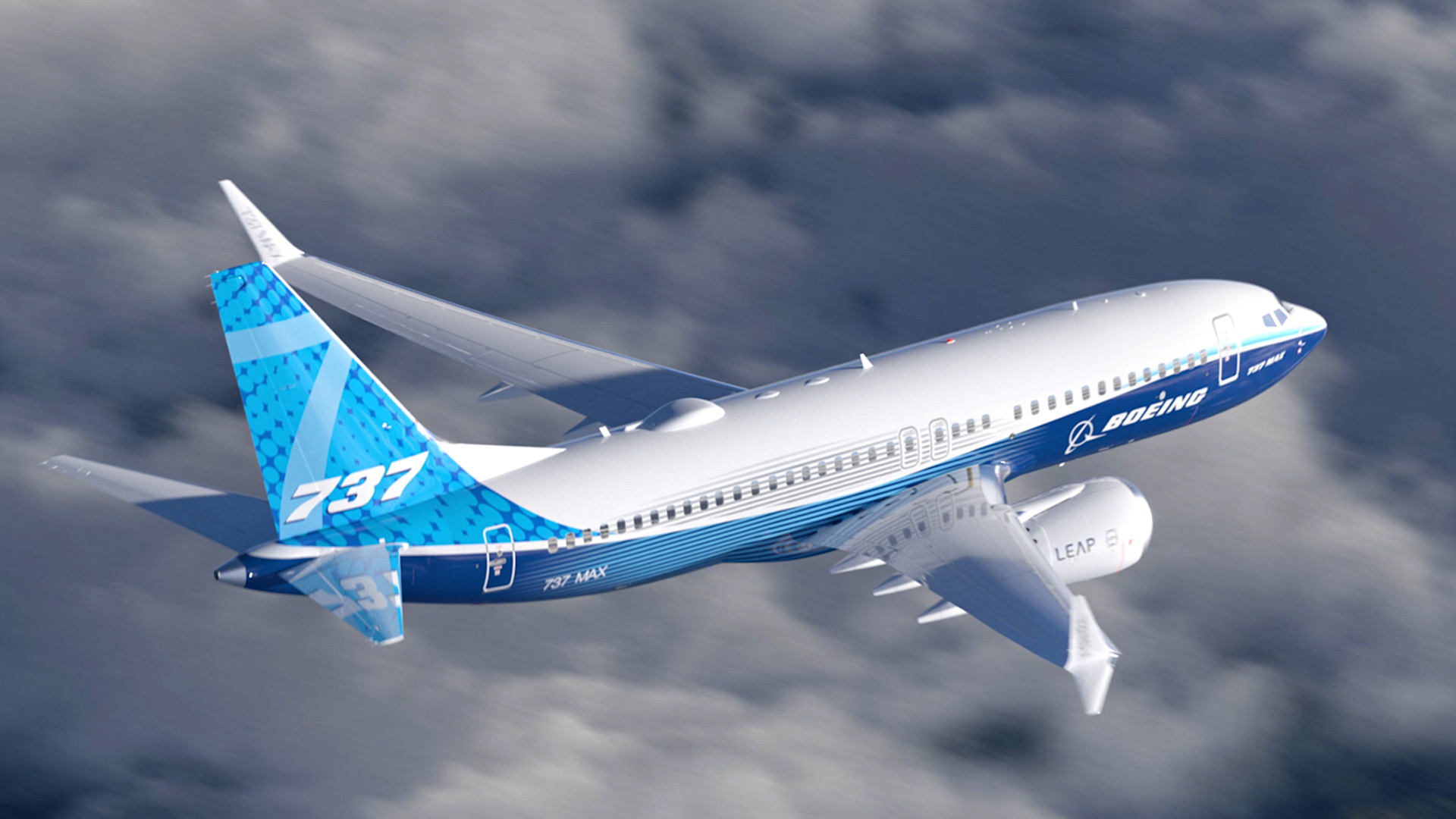
Boeing Poised to Report Strongest Annual Deliveries Since 2018, Signaling Turnaround
Boeing is set to announce its highest annual commercial aircraft deliveries since 2018 this week, marking the clearest sign yet of a operational turnaround after years of safety crises, production snarls, and financial losses. The aerospace giant handed over 537 jets through November 2025, and with December figures pending, it is expected to surpass the previous year's total of 528 deliveries—a significant recovery, though still below the 806 aircraft delivered in 2018.
The improvement stems from stabilized production and renewed regulatory confidence. Under CEO Kelly Ortberg, who took the helm after the January 2024 midair door-plug blowout, Boeing has reduced costly "traveled work" and enhanced training. The Federal Aviation Administration's decision in September to allow Boeing to issue its own airworthiness certificates for some 737s and 787s signaled growing trust. "Boeing is definitely better and more stable," said Southwest Airlines CEO Bob Jordan, a key customer awaiting the delayed 737 Max 7 variant.
Production Ramp-Up and Path to Profitability
With operations stabilizing, Boeing is preparing to increase production rates in 2026. The FAA has already raised its monthly cap on the 737 Max from 38 to 42 aircraft, a rate Boeing aims to hit early this year. The company also plans to produce about eight 787 Dreamliners per month. This ramp-up is crucial for Boeing's return to profitability, which analysts anticipate for 2025 after seven consecutive annual losses. Deliveries trigger the bulk of aircraft payments, directly boosting cash flow.
The recent completion of the Spirit AeroSystems reacquisition gives Boeing greater control over its fuselage supply chain, a critical step in securing its production future. Orders remain robust, with Boeing logging 1,000 gross orders through November 2025, outpacing rival Airbus. Landmark deals, like Alaska Airlines' order for 105 737 Max 10 jets, demonstrate renewed customer confidence despite ongoing certification delays for the Max 7, Max 10, and 777X models.
Robust Demand and Long-Term Outlook
The broader aviation market continues to show remarkable strength. Global airlines flew at a record 84% load factor in November, fueling sustained demand for new aircraft well into the next decade. The wide-body market is particularly heating up, driven by a surge in international travel. While challenges persist—especially with certifying new aircraft variants—Boeing's delivery rebound, production discipline, and solid order book suggest the manufacturer is finally on a firmer path forward after a prolonged period of crisis management.