Treasury Yields Climb Amid Mounting Concerns Over Federal Reserve Independence
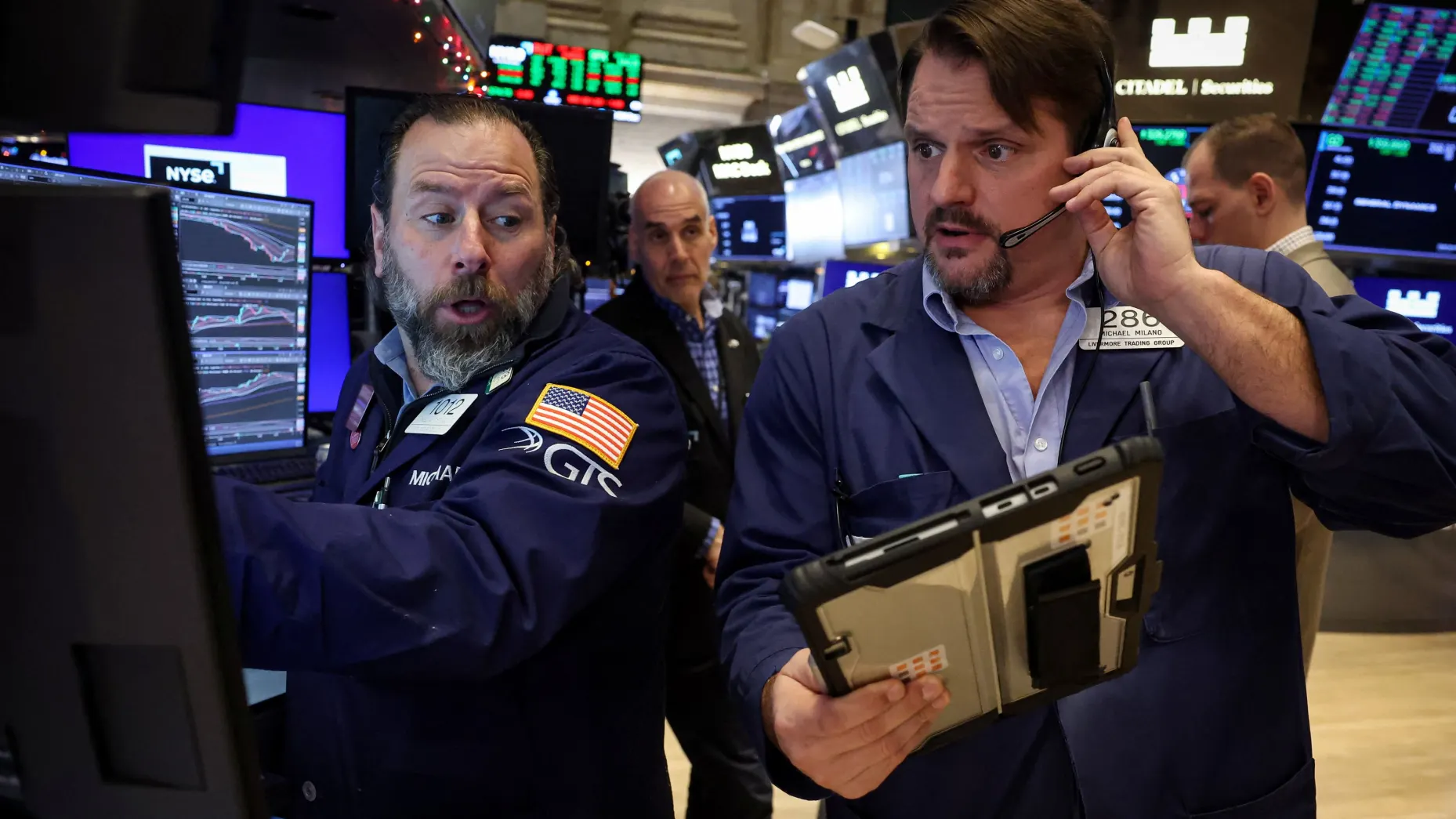
The benchmark 10-year U.S. Treasury yield edged higher on Monday, reflecting market unease fueled by an unprecedented political clash over the Federal Reserve's autonomy, even as a strong government debt auction provided temporary support.
The 10-year yield rose more than 1 basis point to 4.187%, while the 30-year bond yield increased a similar amount to 4.836%. The moves followed a volatile session that underscored investor sensitivity to institutional stability.
The primary catalyst for the uncertainty was a Sunday evening announcement from Fed Chair Jerome Powell, who revealed the Department of Justice had initiated a criminal investigation into him. The probe reportedly centers on the $2.5 billion renovation of the Federal Reserve's headquarters.
In a video statement posted on the central bank's official social media account, Powell directly linked the investigation to political pressure from the White House. "The threat of criminal charges is a consequence of the Federal Reserve setting interest rates based on our best assessment of what will serve the public, rather than following the preferences of the President," Powell stated.
He framed the confrontation as a fundamental challenge to the Fed's operational independence: "This is about whether the Fed will be able to continue to set interest rates based on evidence and economic conditions — or whether instead monetary policy will be directed by political pressure or intimidation."
The remarks amplified bond investors' fears that political interference could compromise the central bank's commitment to price stability in the future. This overshadowed what analysts termed a "strong" result from Monday's 10-year Treasury auction, which had initially helped lift bond prices and push yields lower.
Market participants are now looking ahead to key inflation data for further direction. The Consumer Price Index report on Tuesday and the Producer Price Index on Wednesday will provide crucial insights into the economy's health and shape expectations for the Fed's upcoming policy meeting at the end of January. The central bank, which cut rates three times in 2025, is widely expected to hold rates steady at this meeting.
The episode marks a significant escalation in tensions between the Fed and the Trump administration, introducing a new layer of political risk into the calculus for interest rates and long-term debt markets.