JPMorgan’s looming question: What happens when CEO Jamie Dimon leaves?
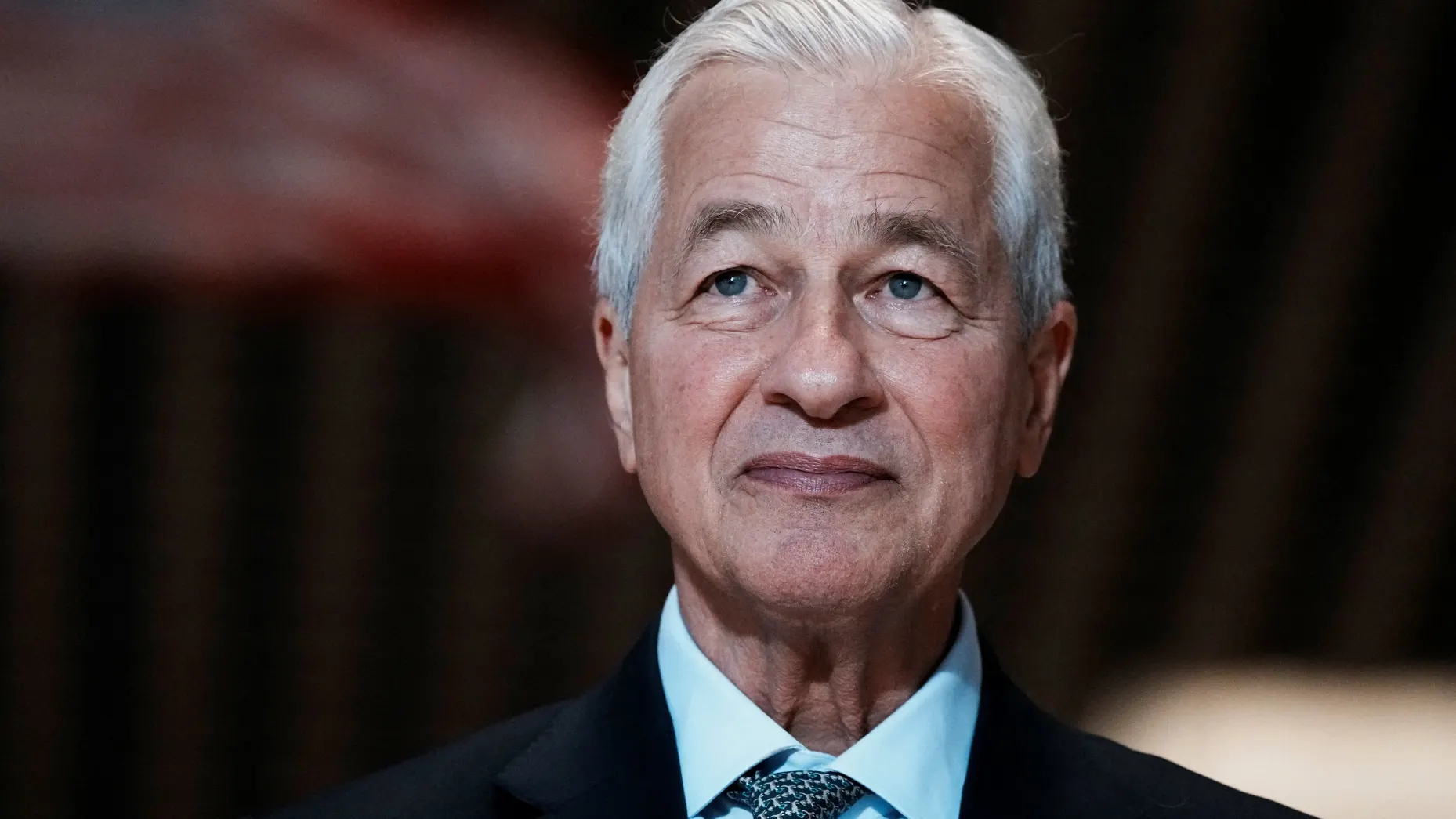
As Jamie Dimon marks his 20th anniversary at the helm of JPMorgan Chase, the billionaire CEO’s enduring influence was on full display last month in a high-stakes, cross-country mission. To personally pitch for the prized role of leading SpaceX’s upcoming IPO, Dimon joined his investment bankers on a 2,500-mile flight to California—only to be back at his desk in the bank's New York headquarters by the next morning.
This whirlwind episode underscores the singular role Dimon continues to play at the world’s largest bank by market capitalization, a $4.6 trillion institution he has shaped into a financial juggernaut. Over two decades, he transformed a middle-tier lender into a colossus now worth nearly as much as its next three largest U.S. competitors combined. Under his leadership, annual net income has soared more than 500%, reaching $58.5 billion in 2024.
Yet, as Dimon approaches 70, the long-deferred question of his succession looms larger than ever. For years, he has quipped that his retirement was perpetually "five years away," but in 2024 he acknowledged that window is finally shrinking.
"Given his track record, anybody else would be a downgrade," said Ben Mackovak, a bank investor and board member. The sentiment is widely shared on Wall Street, where Dimon is viewed not only as a master operator but as a global financial statesman whose warnings can shift presidential policy and whose credibility steadies markets.
The challenge of replacing such a figure is monumental. "The minute you step out of that role, it’s not like you can just hand that over," said Fitch Ratings analyst Chris Wolfe. "Your successor doesn’t automatically inherit that aura."
Investors and analysts point to Consumer Banking Co-CEO Marianne Lake as the current frontrunner, admired for her analytical prowess. Other contenders include Commercial & Investment Bank Co-Heads Doug Petno and Troy Rohrbaugh, Asset & Wealth Management CEO Mary Erdoes, and CFO Jeremy Barnum.
However, internal executives suggest the timeline may redefine the race. "If he stays until he’s 85, it’s not his direct reports that are going to be next in line, it’s maybe one or two levels down from today," said one JPMorgan leader. The consensus among close observers is that Dimon, a survivor of both cancer and a near-fatal aortic rupture, has no plans to depart soon. "Jamie’s never going to quit," said a former executive and longtime mentor. "What else would he do where he’s as important as he is now?"
Despite the uncertainty, Dimon is actively cementing his legacy. He recently oversaw the completion of the bank's new $3 billion headquarters and launched a $1.5 trillion initiative to bolster strategic U.S. industries. More critically, he relentlessly instills a culture of vigilance in his top executives, warning them of the "cancers that kill companies"—complacency, bureaucracy, arrogance, and dishonest numbers.
As Barclays analyst Jason Goldberg notes, "Every day that passes, you’re a day closer to the end." While the market may brace for an initial shock—Wells Fargo's Mike Mayo hypothesizes a 5% stock drop upon any sudden exit—the bank insists it is preparing for all scenarios. The ultimate test for JPMorgan will be whether the institution Dimon built can endure beyond the singular force of its builder.