If Aaron Rodgers was on fence about retirement, Mike Tomlin may have just pushed him over it
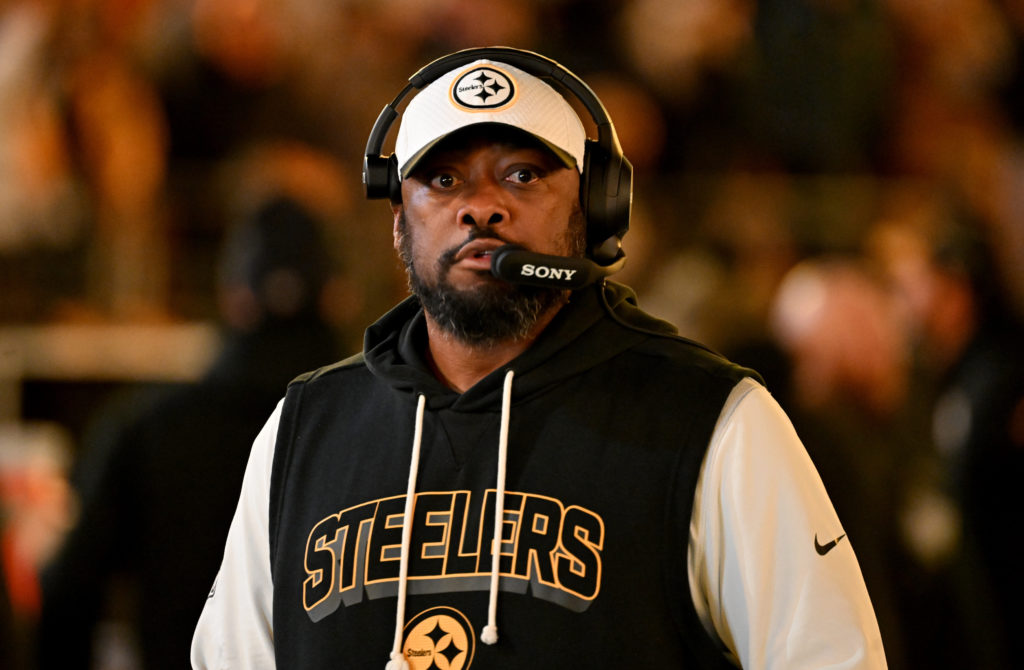
In the wake of Mike Tomlin’s stunning resignation, the Pittsburgh Steelers now face a double crisis: the end of a 19-year coaching era and the likely departure of the star quarterback who came to Pittsburgh primarily to play for him.
After Monday night’s 30-6 wild-card loss to Houston, Aaron Rodgers forcefully defended Tomlin, calling the idea of the coach being on the hot seat “an absolute joke.” He emphasized that Tomlin was the central reason he joined the Steelers for his 21st NFL season. “When you have the right guy and the culture is right, you don't think about making a change,” Rodgers said.
Less than 24 hours later, that “right guy” stepped down, leaving Rodgers’ future in Pittsburgh—and possibly in the NFL—in serious doubt. The 42-year-old quarterback had already hinted at retirement this offseason, stating after the playoff loss, “every game could be my final game.” With Tomlin’s exit removing the foundational reason for his Steelers tenure, the path toward Rodgers’ retirement now appears significantly clearer.
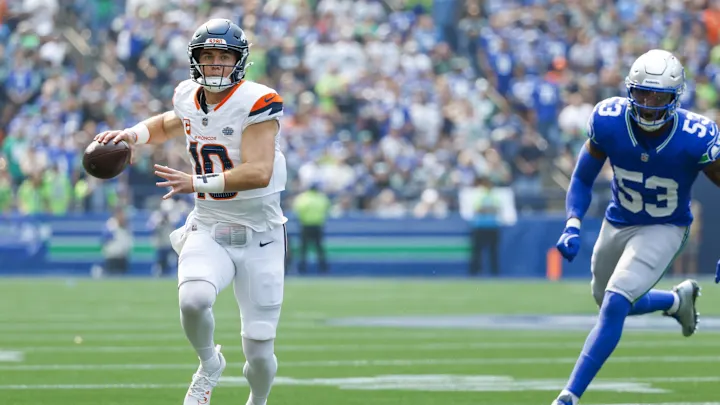
Rodgers delivered a solid regular season, completing 65.7% of his passes for 3,322 yards and 24 touchdowns, leading Pittsburgh to a 10-7 record and an AFC North title. But his magic vanished against Houston’s defense, and with it, perhaps, his desire to start over under an unknown coach in a new system.
When asked postgame if he would want to return to the Steelers without Tomlin, Rodgers bluntly replied, “I’m not going to talk about that.” His terse response to a question about what he learned from Tomlin—"I’ve answered that a number of times… I just did in that f***ing answer"—underscored his emotional investment in the coach and the culture he built.
Tomlin’s departure creates the ninth NFL head-coaching vacancy this offseason and leaves the Steelers’ storied culture in need of a rebuild. For Rodgers, who experienced both sustained success in Green Bay and dysfunction with the New York Jets, organizational stability and leadership are paramount. That cornerstone is now gone.
If this marks the end for Rodgers, he leaves with a legacy as one of the game’s statistical giants: ranking first all-time in passer rating (102.2) and interception percentage (1.4%), and among the active leaders in passing yards and touchdowns.
As the Steelers turn the page on the Tomlin era, the ripple effects may well include the final chapter of a first-ballot Hall of Fame quarterback’s career.