Australian Open’s Marketing Tactics Branded “Very Misleading” Amid Record-Breaking Attendance
The Australian Open has kicked off its 2026 edition with unprecedented early momentum, shattering qualifying attendance records while simultaneously facing a wave of criticism from fans who allege the tournament’s marketing has been deliberately misleading.
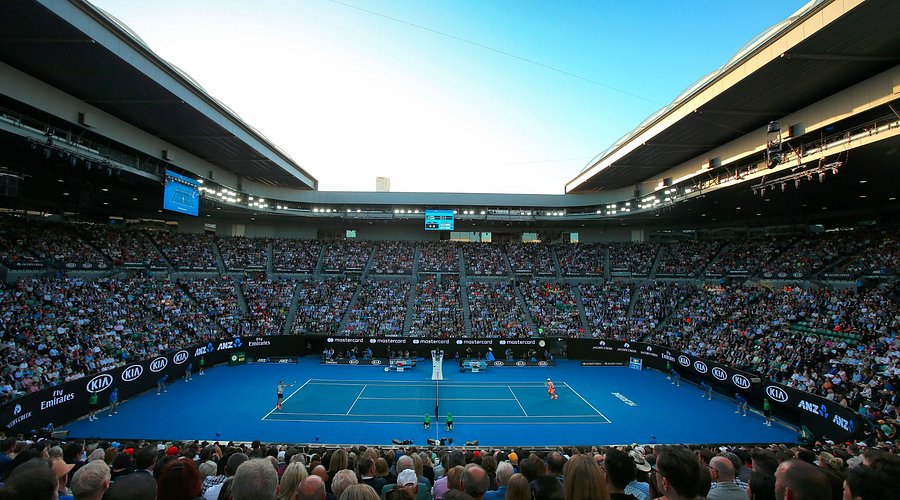
A staggering 29,261 fans flooded Melbourne Park on the first day of qualifying—nearly four times last year’s figure of 7,543—despite a lineup lacking marquee names. The surge underscores Tennis Australia’s successful transformation of “Opening Week” into a major attraction, featuring live concerts (including sold-out shows by Hot Chip and The Presets), exhibition matches, fan zones, and a new ceremony headlined by Roger Federer.
Tennis Australia CEO Craig Tiley proudly stated the organization’s ambition “to own January,” emphasizing a 21-day festival of “activity, entertainment, sport.” The strategy appears financially sound: annual revenue rose by $67 million last year to $460 million, supported by growing attendance.
Fan Frustration Over “Misleading” Promotion
However, the record crowds have been accompanied by significant fan backlash on social media. Many attendees expressed confusion, believing “Opening Week” ground passes granted access to the main tournament, which does not begin until Sunday.
“I’d consider myself pretty clued on when it comes to tennis, but even I had ‘Opening Week’ ground passes in my cart thinking they were Day 2 tickets,” one fan commented. Others described the branding as “cheeky” and “sneaky,” arguing the shift from free qualifying admission to paid tickets—$14 for a qualifying ground pass versus $44 during the main draw—feels like a “cash grab.”
The criticism extended to on-site pricing, with drinks and food drawing scrutiny: a 600ml soft drink costs $5, a 425ml beer $11, and basic meals like pizza or chicken tenders priced between $9 and $13.
Balancing Commercial Growth with Fan Experience
While Tiley maintains the Open’s core mission is “about getting people to pick up a racket and play,” the commercial expansion is undeniable. The organization expects Opening Week attendance, which reached 116,000 last year, to potentially double or triple.
The debate now centers on whether the tournament’s aggressive marketing and monetization of the qualifying week enhance the event’s reach or risk alienating the loyal fanbase through perceived opacity and rising costs. As the main draw approaches, Tennis Australia must navigate balancing its bold commercial vision with maintaining trust and accessibility for the spectators who fuel the event’s electric atmosphere.