Bryson DeChambeau's Leverage: LIV Contract Negotiations vs. YouTube Empire
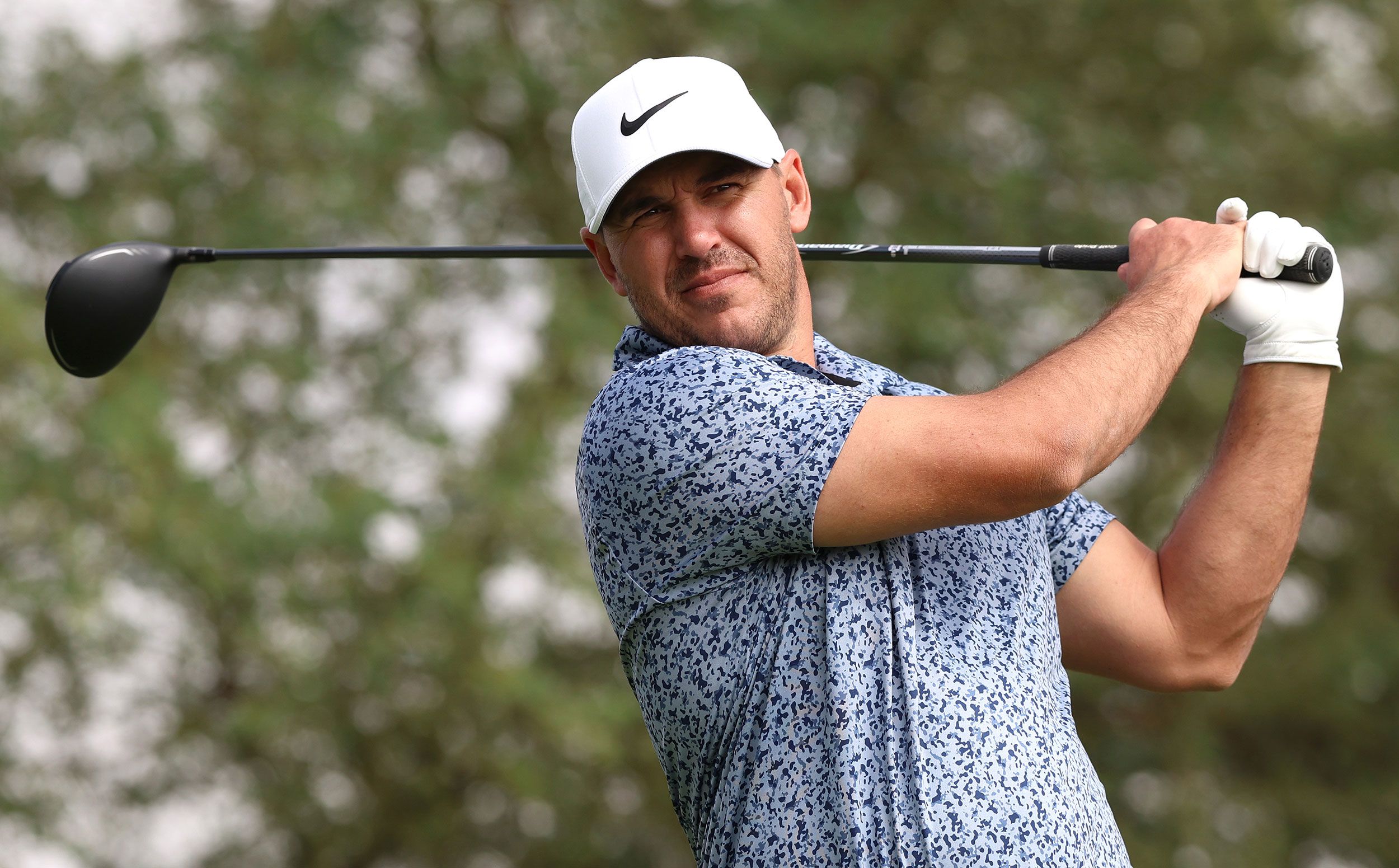
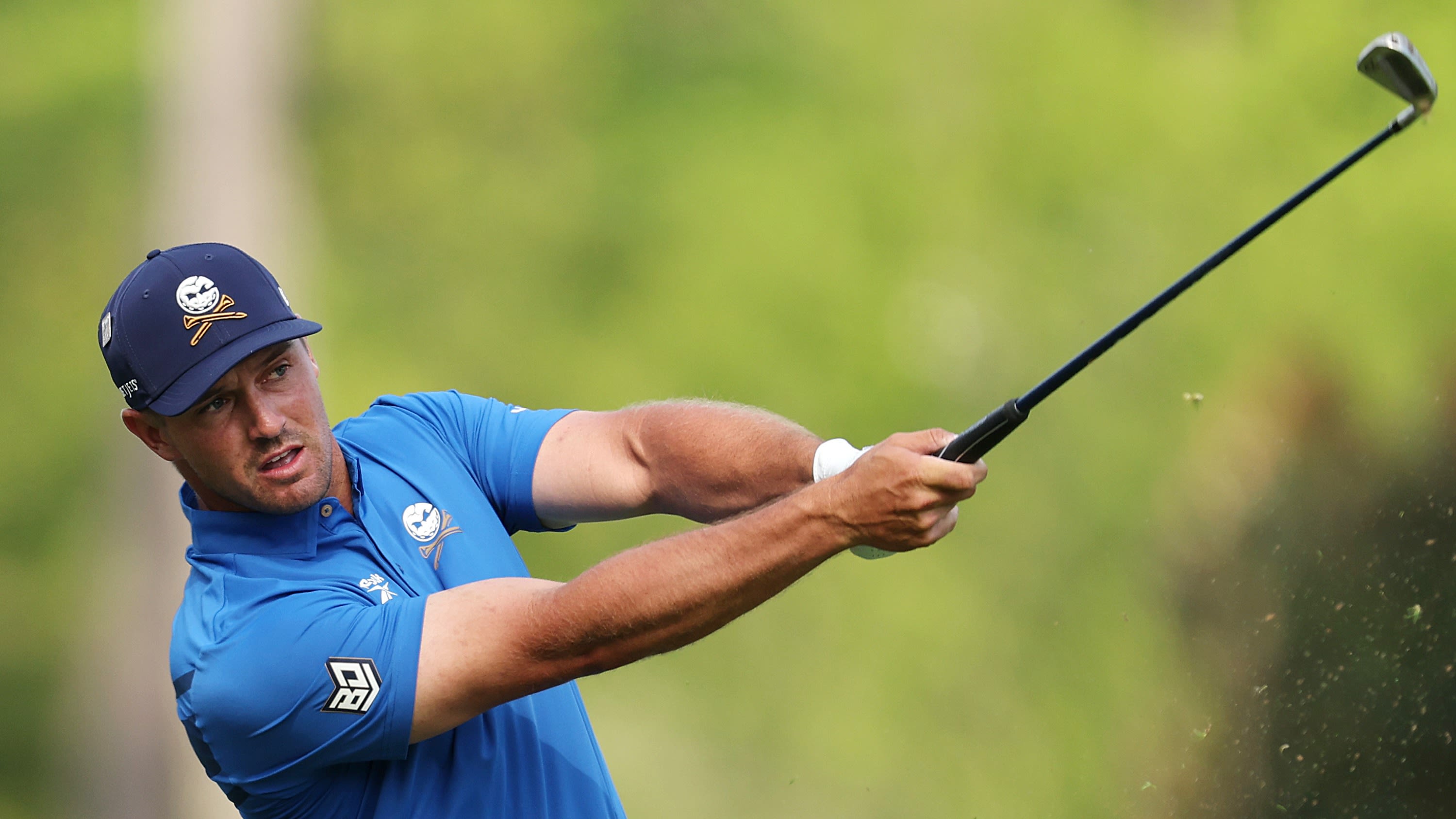
Bryson DeChambeau's future in professional golf has become a compelling study of modern athlete leverage. Following Brooks Koepka's departure from LIV Golf, attention has turned to the contract status of the league's other stars, with the two-time U.S. Open champion at the center of speculation.
In a recent interview, DeChambeau laid his cards on the table regarding his negotiations with LIV. "It’s where I want to be, but ultimately, it’s got to make sense for everybody," he stated. "Because I could just do YouTube golf and be totally fine as well."
This remark underscores a significant shift in the power dynamic. DeChambeau, LIV's most prominent success story whose popularity has soared since joining, now possesses a formidable alternative revenue stream. He credits LIV with providing the initial "economic viability" to build his YouTube platform, Regency, which now employs a double-digit team and boasts 2.5 million subscribers.
However, that platform may have grown to a point of self-sufficiency. While DeChambeau claims he is not currently profiting from YouTube after investing over $1 million, the potential earnings are substantial. With an estimated rate of $3 per thousand views, his channel's consistent output could generate significant annual ad revenue, potentially nearing $800,000 from views alone. This figure excludes lucrative brand partnerships and promotions available to an influencer of his stature, suggesting his content business could be valued in the tens of millions.
This financial reality transforms the negotiation. For LIV, DeChambeau remains indispensable—a needle-moving star who validates the league. For DeChambeau, LIV's financial offer must now compete with the viability of a career built around his rapidly growing personal media empire.
His public comments serve as a potent form of leverage, framing the discussion around a novel binary in professional golf: accept a monumental contract from LIV or walk away to control his own "chocolate factory." Whether this is a strategic play for a better deal or a genuine readiness to redefine a professional golfer's career remains to be seen, but it marks a watershed moment in the economics of the sport.