
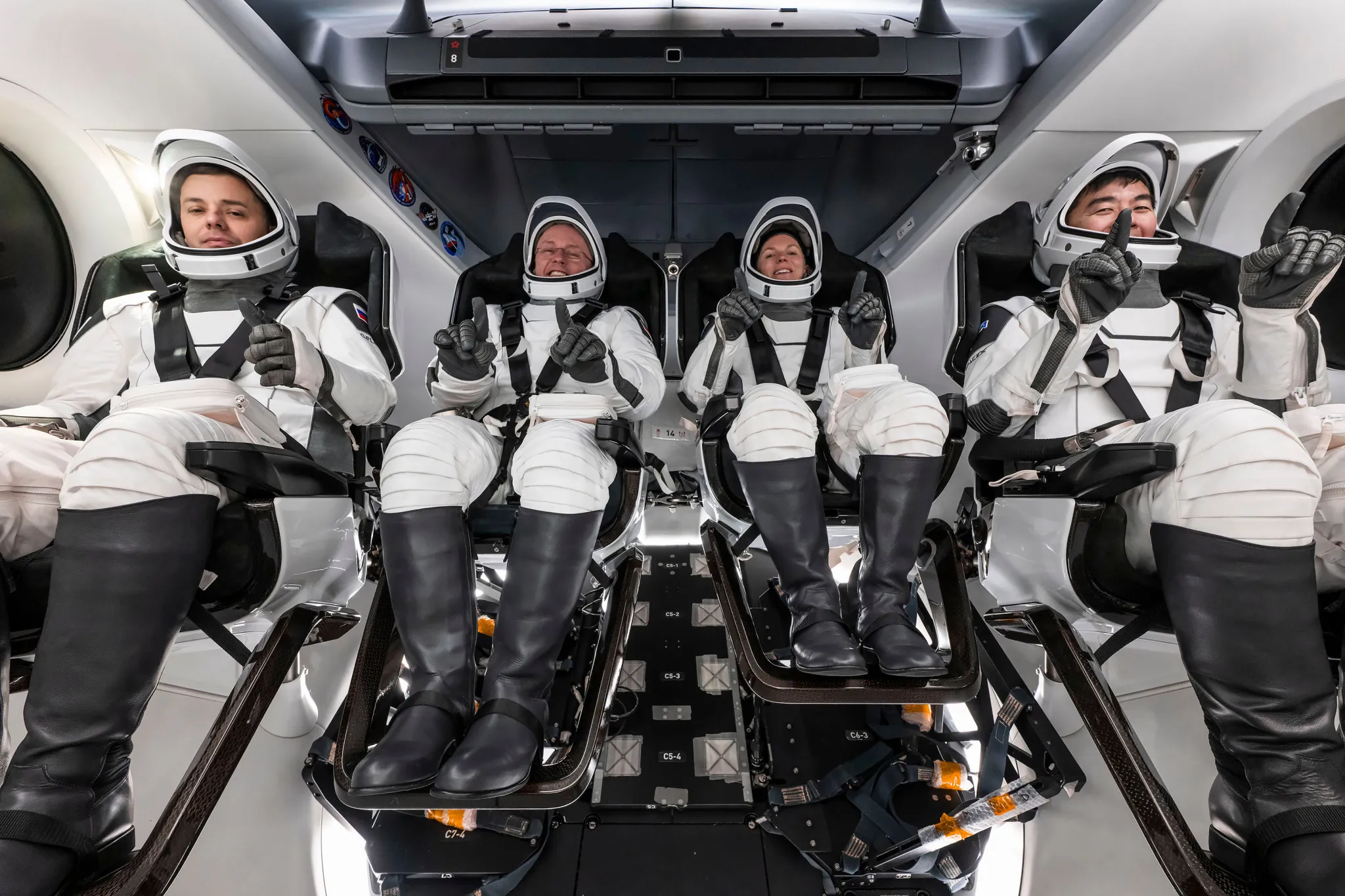
NASA to Return Crew-11 Astronauts Early Due to On-Orbit Medical Situation
NASA will bring its Crew-11 astronauts back to Earth from the International Space Station (ISS) on Saturday, weeks ahead of their scheduled March 2026 return, due to an undisclosed medical issue involving one crew member. The decision, announced by NASA Administrator Jared Isaacman on Thursday, marks the agency's first early crew return prompted by a medical situation.
The medical incident arose on Wednesday, leading NASA to postpone a planned 6.5-hour spacewalk by Commander Mike Fincke and Flight Engineer Zena Cardman. The astronauts were slated to install routing cables and power equipment for a new solar array, a non-critical upgrade that will now be completed at a later date. NASA Chief Medical Officer Dr. James D. Polk stated the affected crew member is in stable condition and emphasized that the situation did not result from an operational injury. However, he noted that the "lingering risk" associated with the incident, coupled with the limited diagnostic capabilities on the ISS compared to a full hospital, prompted the precautionary decision to return the crew.
A First for NASA, Echoing Past Contingencies
This early return represents a first for NASA, which has previously brought crews home ahead of schedule only for vehicle-related issues, such as the STS-83 Space Shuttle mission in 1997 following a fuel cell failure. The agency is withholding the affected astronaut's identity and specific medical details, citing privacy. Crew-11 launched to the ISS on August 1, 2025, aboard a SpaceX Dragon spacecraft and includes astronauts from NASA, the Japan Aerospace Exploration Agency (JAXA), and Roscosmos.
The incident highlights the inherent challenges and risks of long-duration spaceflight, where crews are far from the comprehensive medical facilities available on Earth. NASA's decision underscores its priority on crew safety and its operational protocols for managing in-flight health emergencies. The successful and safe return of the crew will be the immediate focus, with longer-term implications for medical support and contingency planning on future ISS missions and beyond.