Trump's Greenland Ambition Forces Europe into a Stark Security Reckoning
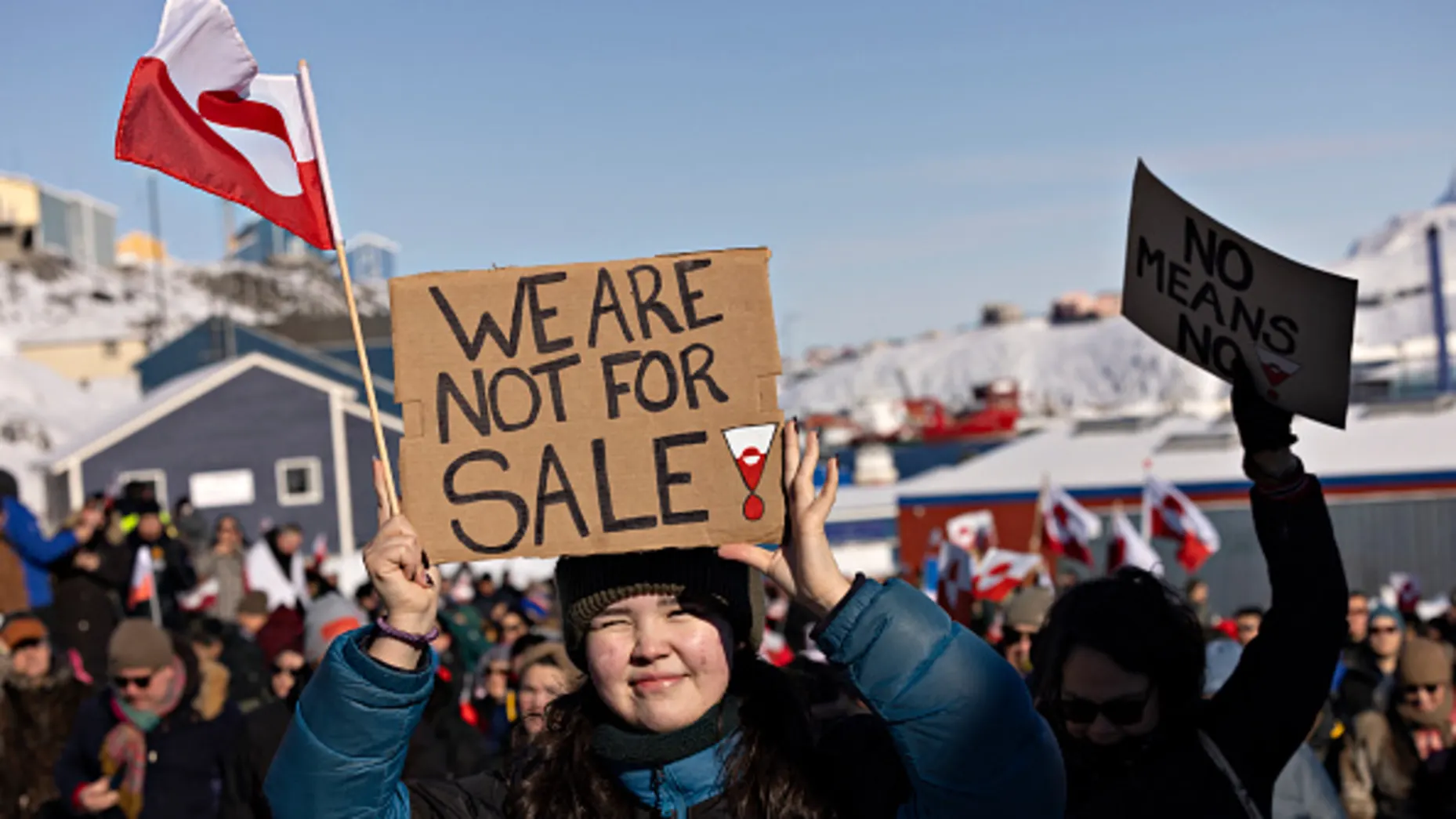
President Donald Trump's escalating campaign to bring Greenland under U.S. control has thrown European security strategy into disarray, forcing the continent to confront a previously unthinkable scenario: a potential military confrontation with its most powerful NATO ally. As Denmark pledges a significant $13.8 billion to rearm the vast Arctic island, analysts widely doubt that any European nation would be willing or able to militarily oppose a U.S. move, setting the stage for a profound political and strategic crisis.
Top Trump aide Stephen Miller has dismissed the likelihood of military resistance, stating "nobody's going to fight the United States militarily over the future of Greenland." This assessment is echoed by defense experts. Edward R. Arnold of the Royal United Services Institute suggests any U.S. troop deployment to Greenland would likely be "completely unopposed" by European forces, as opening fire would risk triggering an inter-NATO war. The U.S. holds overwhelming military dominance within the alliance, with 1.3 million personnel compared to the rest of NATO's combined 2.1 million.
The Potential Unraveling of NATO
The most severe consequence of a U.S. power grab in Greenland could be the dissolution of NATO itself. Danish Prime Minister Mette Frederiksen has warned that an American takeover would "spell the end of NATO." Experts agree that an attack by one member on another would render the alliance's mutual defense clause meaningless. "It would mean the end of NATO. I don't think that NATO could continue," said Georgios Samaras of King's College London. Such a rupture would also critically undermine Western support for Ukraine at a pivotal moment.
Faced with limited military options, Europe's primary leverage may lie in the economic and diplomatic spheres. Former NATO official Jamie Shea notes the European Union could impose sanctions, tariffs, or restrict U.S. market access. European nations could also deny the U.S. use of critical military bases and early-warning radar systems on the continent. However, these retaliatory measures would be extremely difficult to implement, especially while European leaders are simultaneously trying to secure Washington's cooperation on Ukraine.
A Test of Alliance Cohesion and Principles
Despite the Greenland threat, Trump has continued to send mixed signals about NATO, simultaneously claiming "We will always be there for NATO" while questioning the alliance's utility and the reciprocity of its commitments. The situation presents Europe with an existential dilemma: how to defend the territorial integrity of a member state against an aggressive act by the alliance's cornerstone power without destroying the very security architecture that has underpinned continental stability for decades. The outcome will test the limits of international law, alliance politics, and Europe's strategic autonomy in an increasingly volatile world order.