China Balances Global Critique with Protecting Economic Interests After Venezuela Strike
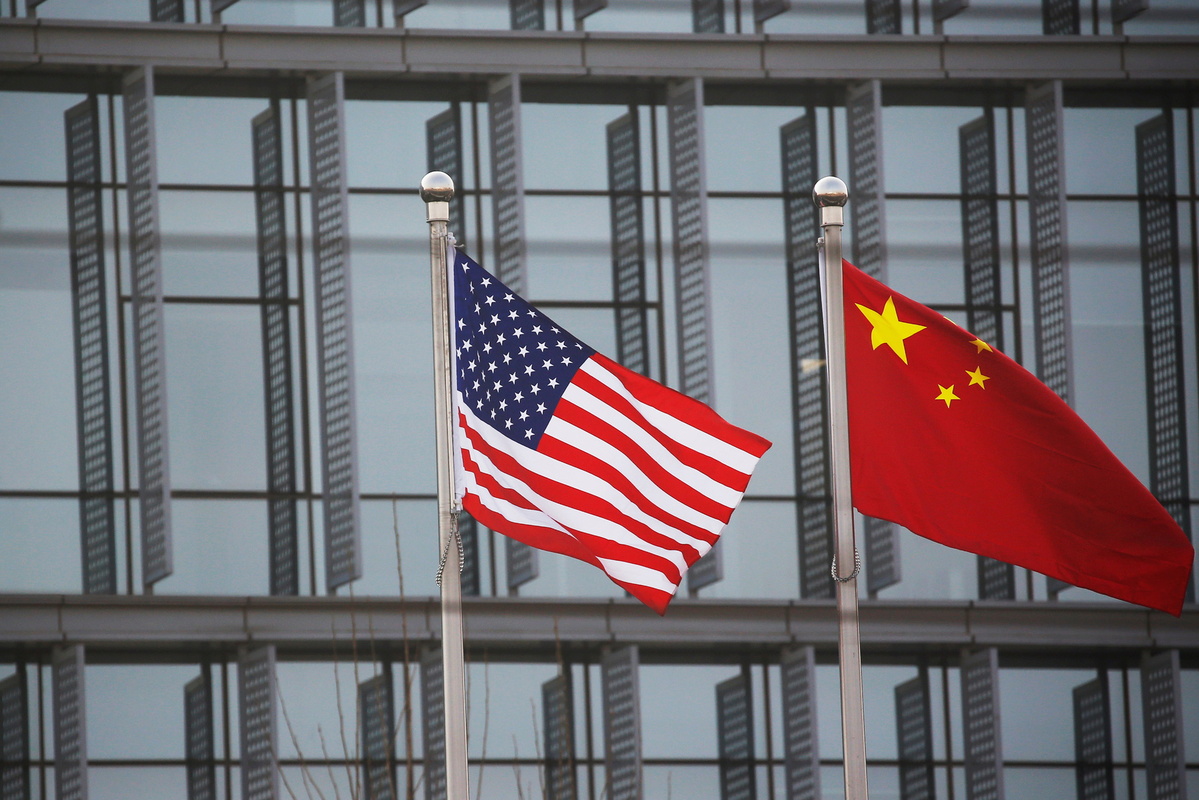
In the wake of the U.S. military operation in Venezuela, China has swiftly condemned the action while focusing its immediate priority on safeguarding its substantial economic interests in the country and across Latin America. Analysts suggest the event offers Beijing an opportunity to bolster its image as a global "force for stability," yet it also introduces significant uncertainty for Chinese investments.
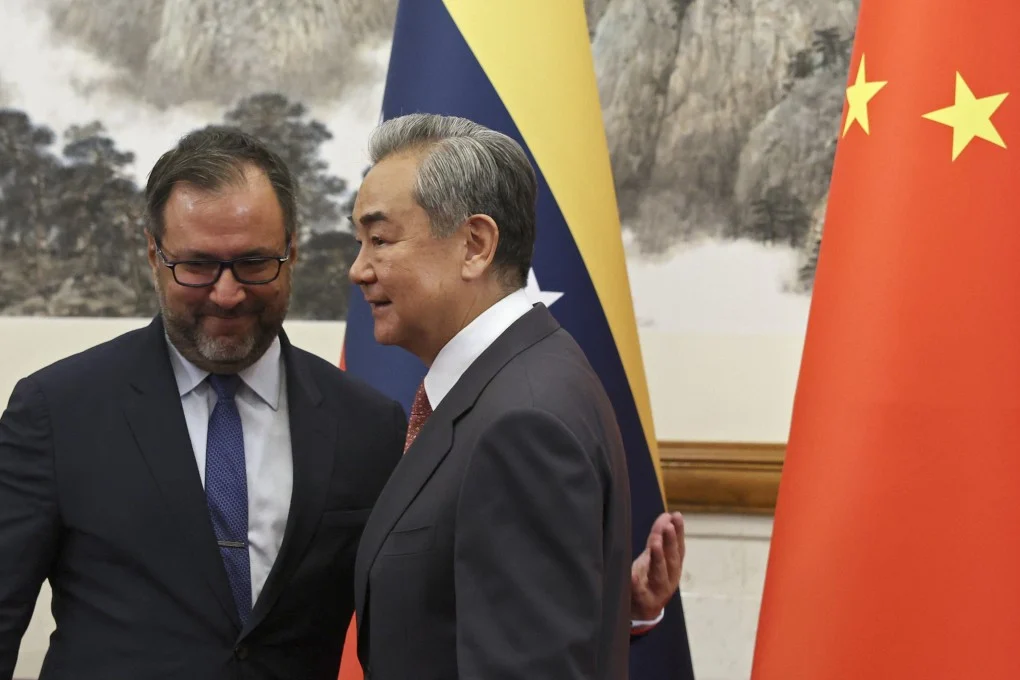
China's Foreign Ministry expressed being "deeply shocked" by the attack and called for the release of ousted President Nicolás Maduro and his wife, urging a diplomatic resolution. Spokesperson Lin Jian reaffirmed China's commitment to ongoing cooperation with Venezuela, including on oil exports, and stated that Chinese interests would be protected under the law.
However, the situation raises practical concerns. Chinese companies, predominantly state-owned, have invested approximately $4.8 billion in Venezuela over the past two decades, primarily in energy projects. A recent $1 billion investment by China Concord Resources Corp. underscores continued, though cautious, engagement. "China has a lot of commercial interests there," noted Zichen Wang of the Center for China and Globalization, warning that uncertainty could spill over to Chinese business across the region.
Despite being the top destination for Venezuelan crude, Venezuela accounts for only about 2% of China's total oil imports, with the Middle East being the dominant supplier. This limited economic exposure means Beijing is likely to avoid being deeply entangled. "China’s priority has been to protect its interests," said Yue Su of The Economist Intelligence Unit, noting that Venezuela holds limited economic or geopolitical significance compared to core issues like Taiwan.
Analysts agree the Venezuela crisis does not fundamentally alter China's broader strategic playbook, particularly regarding Taiwan. However, Dan Wang of Eurasia Group suggested it might influence Beijing's legal justifications for future actions, similar to how the U.S. used drug charges to justify Maduro's capture.
As China continues high-level diplomatic engagements this week, hosting leaders from Ireland and South Korea, the episode reinforces its narrative of opposing foreign interference while positioning itself as a stable alternative partner on the global stage. The long-term impact may be less about shifting China's core strategies and more about cementing its role as an indispensable economic and diplomatic counterweight in a multipolar world.